
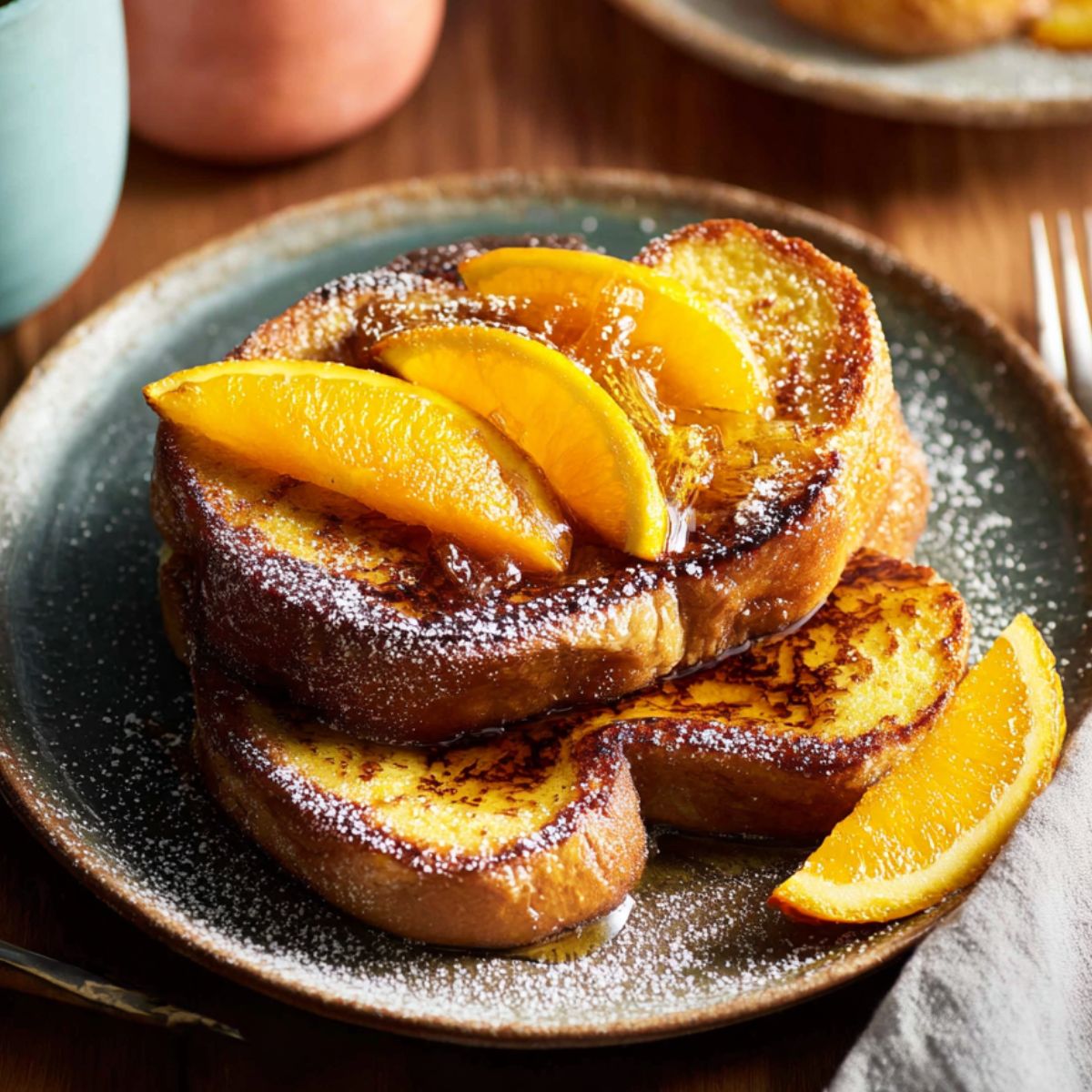
I first made Orange French Toast on a slow Sunday morning when I had leftover orange juice in the fridge, and now it's become our go-with brunch recipe whenever we want something a little fancy but still totally doable. The custard base makes each bite incredibly rich, and the whole thing comes together in about 30 minutes.
If you love starting your day with something special, try pairing this with Easy Brownie Pudding Dessert: 8-Ingredient Comfort Food , Mississippi Mud Pie - 6-Step Guide to Rich Chocolate Bliss , or a simple Marshmallow Swirl Brownies Recipe - 9 Easy Steps to Gooey on the side.
Why You'll Love This Orange Custard French Toast
This isn't your average weekday breakfast. The Orange French Toast custard gives each slice a bakery-style richness that regular French toast just can't match. You're getting thick, pillowy challah bread that soaks up all that creamy orange goodness without falling apart.
It's easy enough for a lazy Saturday but impressive enough to serve guests. The custard can be made the night before, so all you have to do in the morning is dip and cook. Plus, the bright Orange French Toast flavor feels like sunshine on a plate, even on cloudy mornings.
Jump to:
Orange French Toast Ingredients
Here's what you'll need to make this citrus-kissed breakfast.
See Recipe Card Below This Post For ingtedient Quantites
Custard French Toast:
Eggs: Two whole eggs plus two egg yolks create the rich, silky custard base that makes this French toast extra creamy.
Orange juice: One cup of Florida's Natural No-Pulp Orange French Toast Juice brings bright, fresh citrus flavor without any bits getting in the way.
Heavy cream: Adds richness and helps create that bakery-style custard texture.
Granulated sugar: Sweetens the custard and helps it caramelize beautifully on the outside.
Kosher salt: Balances the sweetness and brings out the Orange French Toast flavor.
Vanilla extract: A little vanilla rounds out the citrus and adds warmth.
Challah bread: Dense, thick slices hold up to all that custard without falling apart. Cut them about 1½ to 2 inches thick for the best texture.
Unsalted butter: For cooking the French toast until it's golden and crispy on the outside.
Toppings:
Powdered sugar: Adds a sweet, snowy finish that looks beautiful and tastes delicate.
Orange zest: Fresh zest on top amplifies the citrus flavor.
Orange segments: Supreme (peeled segments) of two Orange French Toast give you juicy, bright bursts of flavor.
Maple syrup: Because French toast and syrup are best friends.
how to make Orange French Toast
Whisk the eggs: In a large bowl, whisk together the 2 whole eggs and 2 egg yolks until well combined.
Heat the orange mixture: In a medium saucepan, combine the Orange French Toast juice, heavy cream, granulated sugar, and kosher salt. Heat over medium heat, whisking occasionally, until the mixture feels warm to the touch and the sugar has dissolved completely, about 3 minutes.
Temper the eggs: Remove the saucepan from heat. While whisking the eggs constantly, slowly pour about one-quarter of the warm Orange French Toast mixture into the bowl. This step keeps the eggs from scrambling when you add the hot liquid.
Cook the custard: Pour the egg mixture back into the saucepan and return it to medium heat. Cook, stirring gently, until the custard thickens enough to coat the back of a spoon, about 3 minutes.
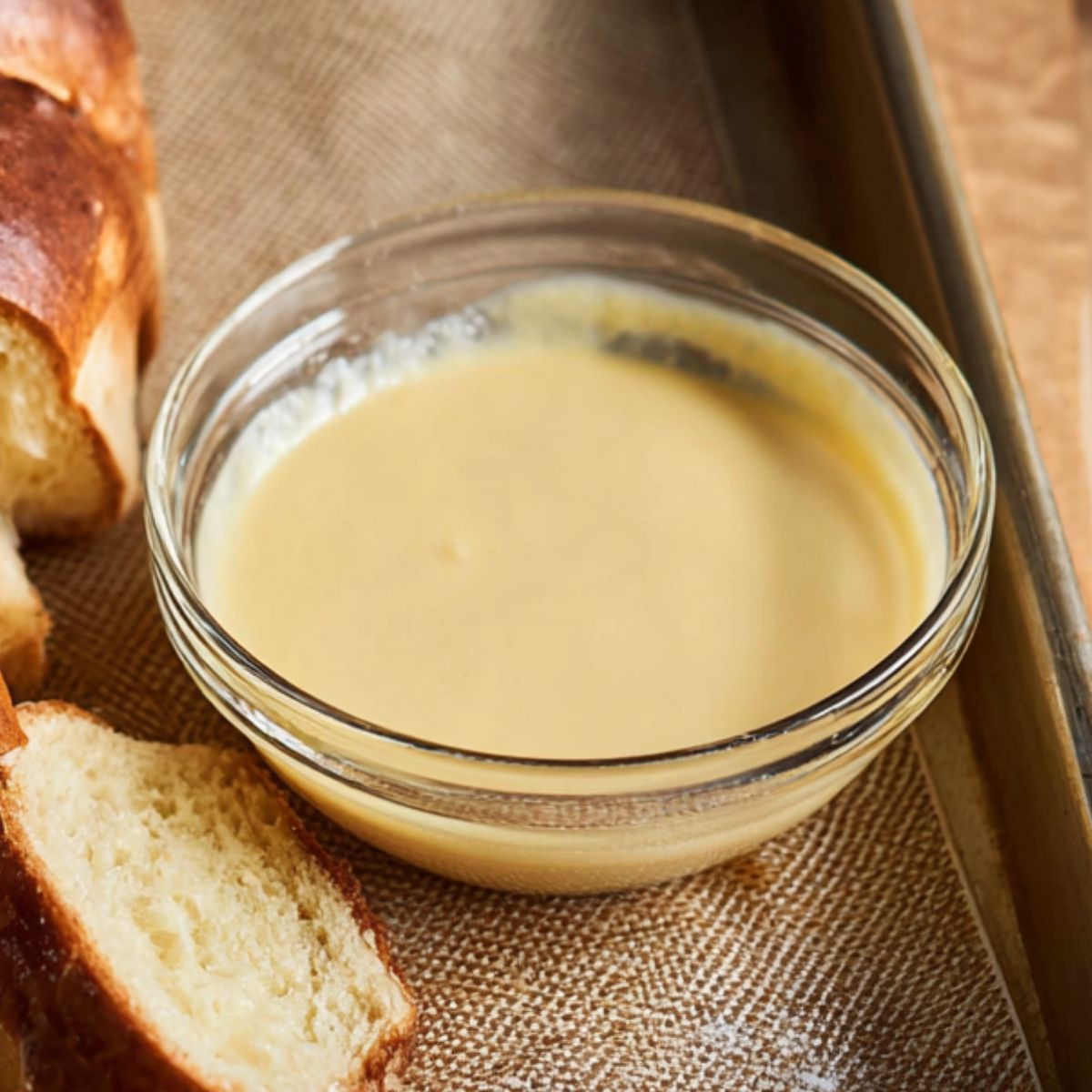
Strain and flavor: Strain the custard through a fine-mesh strainer into a clean bowl to catch any cooked egg bits. Whisk in the vanilla extract until smooth.
Cool the custard: Let the custard cool to nearly room temperature, or cover and refrigerate for up to 2 days if you're making it ahead.
Preheat the oven: Set your oven to 200°F and place a baking sheet inside. This keeps the cooked French toast warm while you finish the rest.
Heat the skillet: Add 1½ tablespoons of butter to a large heavy skillet over medium heat. Let it melt and get hot, but don't let it smoke.
Dip the bread: Dip each slice of challah into the custard, coating both sides. For firmer French toast, dip quickly. For a softer, more custardy center, let it soak for 1 to 2 minutes.
Cook the first batch: Place 2 to 3 slices in the hot skillet and cook for about 3 minutes per side, until they're puffed up and golden brown on both sides.
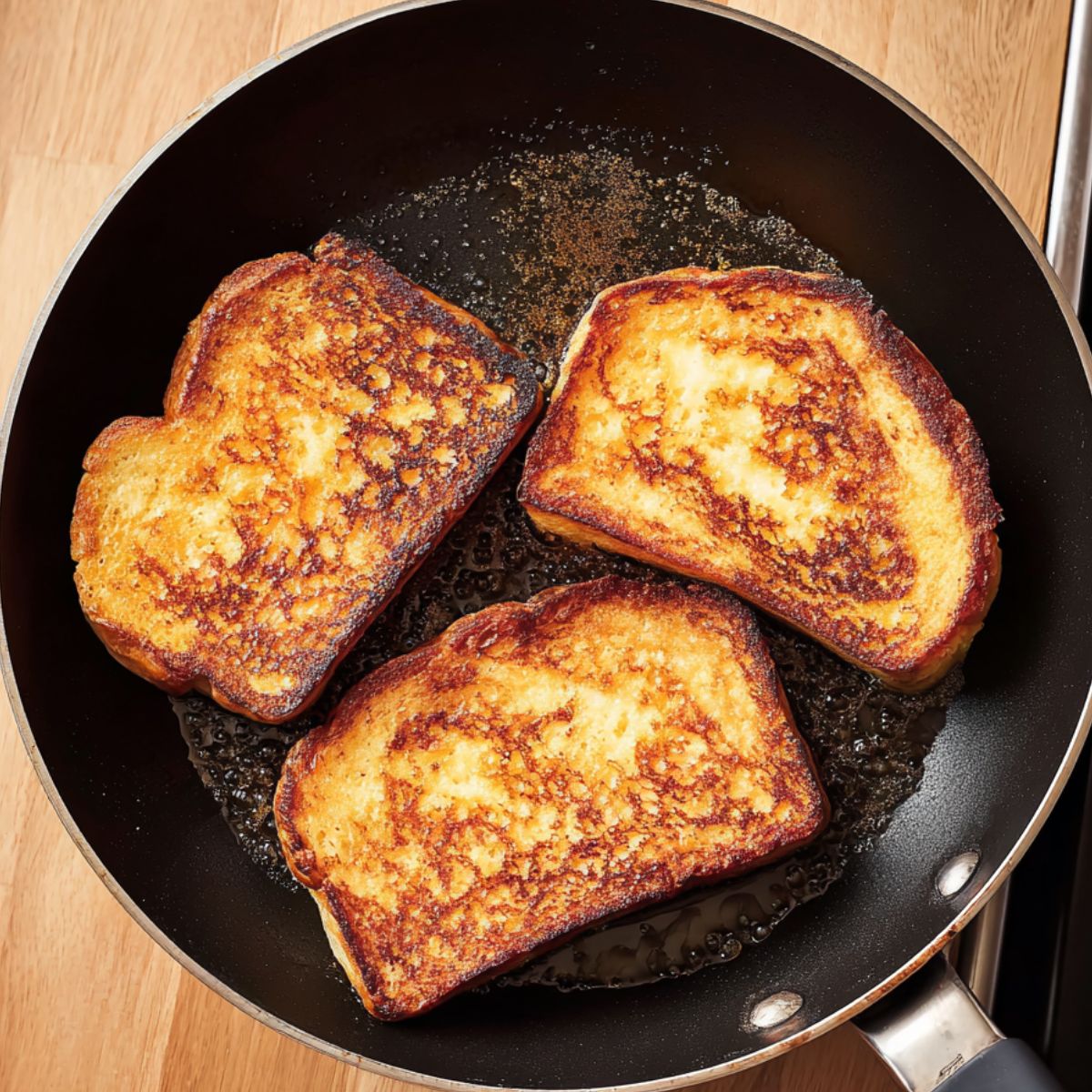
Keep warm and repeat: Transfer the cooked slices to the warm baking sheet in the oven. Add the remaining 1½ tablespoons of butter to the skillet and repeat with the rest of the bread.
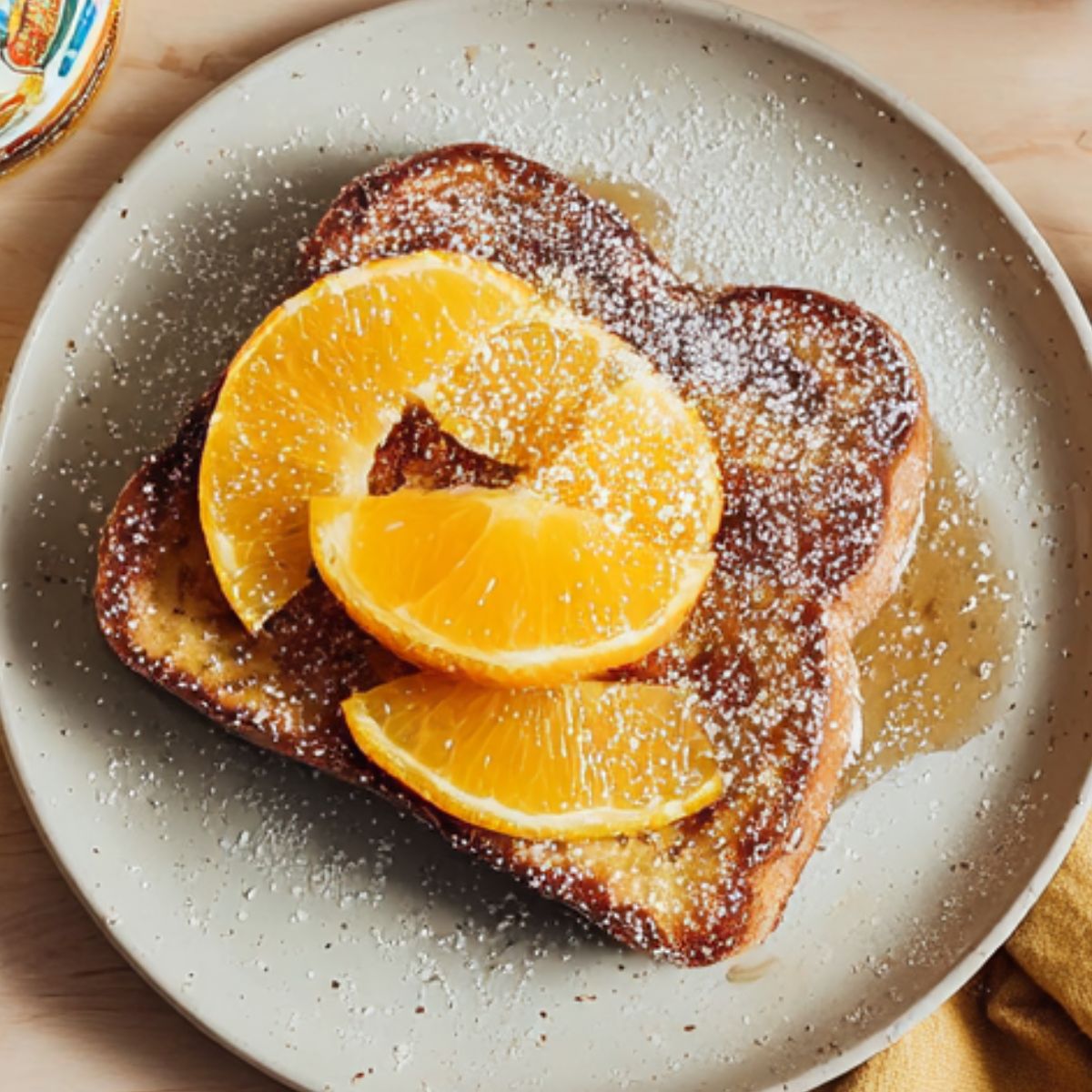
Add toppings: Top your French toast with powdered sugar, Orange French Toast zest, or orange segments. Serve with maple syrup and extra butter if you like.
Equipment for Orange French Toast
Non-stick skillet: A large, heavy skillet helps the French toast cook evenly without sticking.
Large bowl: For whisking the eggs and tempering them with the warm liquid.
Whisk: Essential for mixing the custard smooth and keeping it lump-free.
Medium saucepan: To heat the Orange French Toast juice and cream mixture gently.
Baking sheet: Keeps the finished French toast warm in the oven while you cook the rest.
Fine-mesh strainer: Catches any cooked egg bits so your custard stays silky.
Substitutions and Variations
Bread options: If you can't find challah, try brioche, thick-cut Texas toast, or any dense white bread. Avoid thin sandwich bread since it'll get too soggy.
Orange juice: Fresh-squeezed Orange French Toast juice works beautifully if you have it. You can also try blood orange juice for a deeper, slightly sweeter flavor.
Dairy-free version: Swap the heavy cream for full-fat coconut cream and use a plant-based butter. The custard will be a little thinner but still tasty.
Sweetener swap: Use maple syrup or honey instead of granulated sugar in the custard if you want a different sweetness.
Extra flavor: Add a pinch of cinnamon or cardamom to the custard for a warm, spiced twist.
Storage and Make-Ahead Tips
The custard can be made up to 2 days ahead. Just cover it tightly and keep it in the fridge until you're ready to cook. Give it a good whisk before using.
Cooked French toast keeps in the fridge for up to 3 days. Store it in an airtight container and reheat slices in a skillet over medium heat or in a 350°F oven for about 5 minutes.
You can also freeze cooked French toast for up to 2 months. Lay the slices flat on a baking sheet to freeze them individually, then transfer to a freezer bag. Reheat straight from frozen in the oven or toaster.
expert tips
Slice the bread thick. Thin slices get soggy and fall apart. Aim for 1½ to 2 inches so the bread can soak up the custard but still hold its shape.
Don't skip the straining step. Even if your custard looks smooth, running it through a fine-mesh strainer removes any tiny cooked egg bits and gives you a silky texture.
Control the texture. A quick dip gives you firmer French toast with a lighter custard coating. A longer soak (1 to 2 minutes) creates a soft, custardy center.
Keep the heat medium. If your skillet is too hot, the outside will burn before the inside cooks through. Medium heat gives you golden edges and a perfectly cooked center.
Make the custard ahead. Prepping the custard the night before saves time in the morning and lets the flavors meld together.
Use day-old bread. If your challah is super fresh and soft, slice it the night before and let it sit out uncovered. It'll firm up slightly and hold the custard better.
FAQ
How do you make orange toast?
You make Orange French Toast by creating a custard with eggs, Orange French Toast juice, cream, sugar, and vanilla, then dipping thick slices of bread into it and cooking them in butter until golden. The orange juice infuses the custard with bright citrus flavor. Emma always reminds me to strain the custard so it's extra smooth.
What is the most common mistake in making French toast?
The most common mistake is using heat that's too high, which burns the outside before the inside cooks through. Medium heat gives you golden, crispy edges and a custardy center. Another mistake is using bread that's too thin, which gets soggy instead of holding its shape.
What to add to French toast to make it taste better?
Adding a custard base instead of plain beaten eggs makes a huge difference. The combination of cream, Orange French Toast juice, and vanilla creates a richer, more flavorful coating. Fresh toppings like orange segments, powdered sugar, and maple syrup add extra sweetness and texture.
Can I use orange juice instead of orange zest?
Yes, this recipe actually uses Orange French Toast juice in the custard instead of zest, which gives you a bolder, more consistent orange flavor throughout. You can add orange zest on top as a garnish for extra citrus punch and a pop of color.
Related
Looking for other recipes like this? Try these:



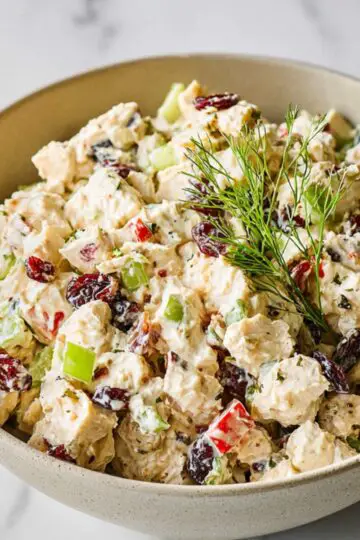
Pairing
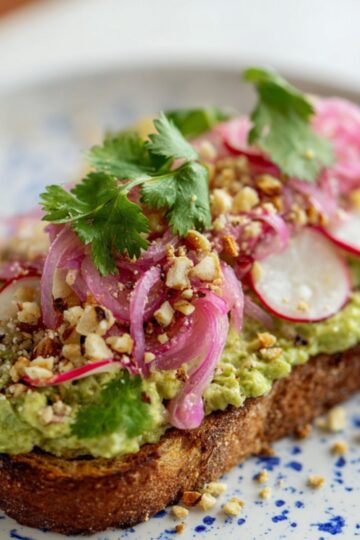
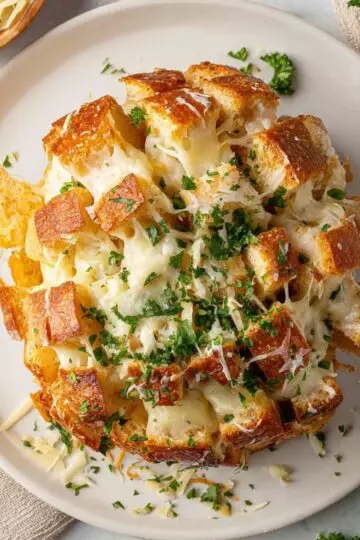
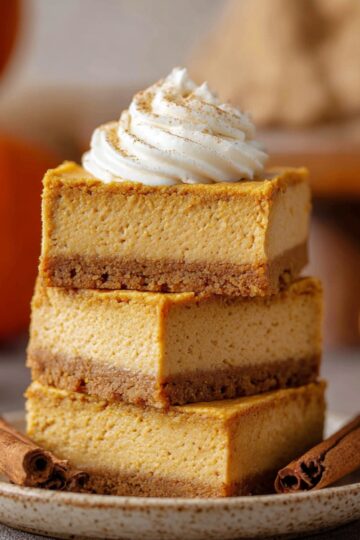
These are my favorite dishes to serve with Orange French Toast


Orange Custard French Toast
Ingredients
Method
- Whisk the whole eggs and egg yolks together in a large bowl until fully combined. mix
- Warm the orange juice, cream, sugar, and salt in a saucepan over medium heat, stirring occasionally, until the sugar dissolves and the mixture feels warm. mix
- Slowly stream about one-quarter of the warm liquid into the eggs while whisking constantly to temper them. mix
- Return the egg mixture to the saucepan and cook gently until thickened, then strain to remove any lumps and stir in the vanilla. mix
- Let the custard cool close to room temperature or refrigerate until ready to use. prep
- Preheat the oven to 200°F and place a baking sheet inside to keep cooked French toast warm. prep
- Melt half of the butter in a skillet over medium heat until glossy but not smoking. prep
- Quickly dip each bread slice into the custard, coating both sides lightly. assemble
- Cook the bread in batches for about three minutes per side until puffed and golden, transferring finished slices to the oven to stay warm. cook
- Repeat cooking with remaining butter and bread slices. cook
- Top the French toast with powdered sugar, orange zest, orange segments, and maple syrup as desired. finish
Leave a Reply