
The first time I pulled a pan of German pancakes from the oven, I watched the edges puff up like little golden clouds and thought I'd somehow stumbled into a breakfast miracle. These aren't your typical stovetop German pancakes. they're baked in the oven until they're crispy on the edges, custardy in the middle, and so impressive-looking that everyone assumes you spent way more than 30 minutes making them.
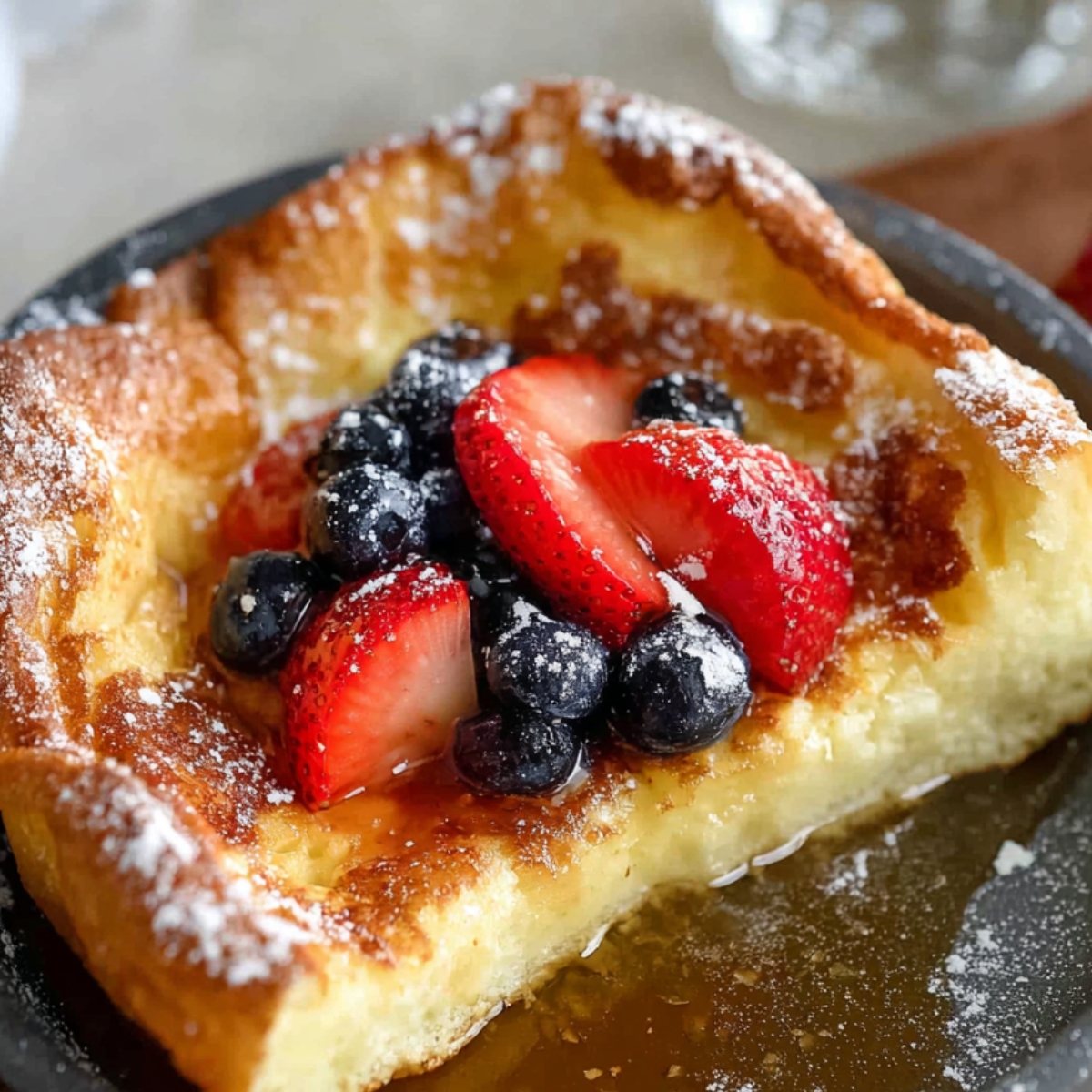
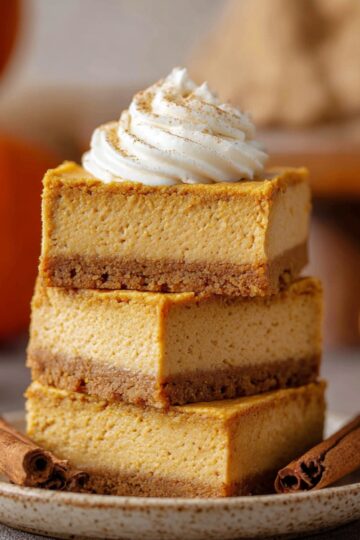
With just six simple ingredients and a blender, you've got yourself an easy breakfast that tastes like it came from a cozy little bakery downtown. If you're looking for more simple morning treats, try these Delicious Cherry Pistachio Cheesecake Recipe or this The Best Japanese Strawberry Sponge Cake Recipe that Easy Mini Lemon Cheesecakes Recipe .
The butter melts and sizzles in the pan while the oven heats, and when you pour that smooth batter right over it, something almost magical happens. The heat does all the work, transforming everything into this puffy, golden pancake that practically begs to be topped with powdered sugar and warm syrup.
Why You'll Love This Easy German Pancake Breakfast
This fluffy baked pancake is perfect for busy mornings when you want something special without the fuss. You toss everything in a blender, pour it into a hot buttered pan, and walk away. No flipping, no babysitting, no standing at the stove. Just twenty-some minutes later, you've got a puffy pancake breakfast that looks like you tried way harder than you actually did.
Kids love watching it rise through the oven door, and adults love that there's barely any cleanup. Plus, it's naturally customizable dust it with powdered sugar, drizzle it with syrup, or pile on fresh berries. It's the kind of family-friendly pancake recipe that works for lazy Saturday mornings and special occasions alike. For more crowd-pleasing breakfast ideas, check out this overnight French toast.
Jump to:
- Why You'll Love This Easy German Pancake Breakfast
- German pancakes Ingredients
- how to make German pancakes
- Helpful Substitutions
- Equipment for German pancakes
- Storage Tips
- Emma's Pancake Disaster (That Turned Out Perfect)
- expert tips
- What Makes German Pancakes So Special?
- FAQ
- Related
- Pairing
- Fluffy German Pancakes
German pancakes Ingredients
Here's what you need for this simple pancake bake.
See Recipe Card Below This Post For ingredients Quantites
- Eggs: These provide structure and richness while helping the pancake puff up beautifully in the oven.
- Milk: Adds moisture and creates that smooth, pourable batter. Whole milk works best for the richest flavor.
- All-purpose flour: Forms the base and gives the pancake just enough structure without making it heavy.
- Salt: Just a dash balances the sweetness and brings out all the flavors.
- Vanilla extract: Adds a warm, sweet aroma that makes the whole kitchen smell amazing.
- Butter: Creates those golden, crispy edges and adds rich flavor throughout. Make sure it's fully melted before adding the batter.
how to make German pancakes
Preheat oven: Set your oven to 425°F and give it time to heat fully. This high temperature is what makes the pancake puff up so dramatically.
Melt butter: Drop the butter into an un-greased 9x13-inch metal baking dish and slide it into the warming oven. Let it melt completely until it's sizzling and starting to brown just slightly around the edges, about 3 to 4 minutes.
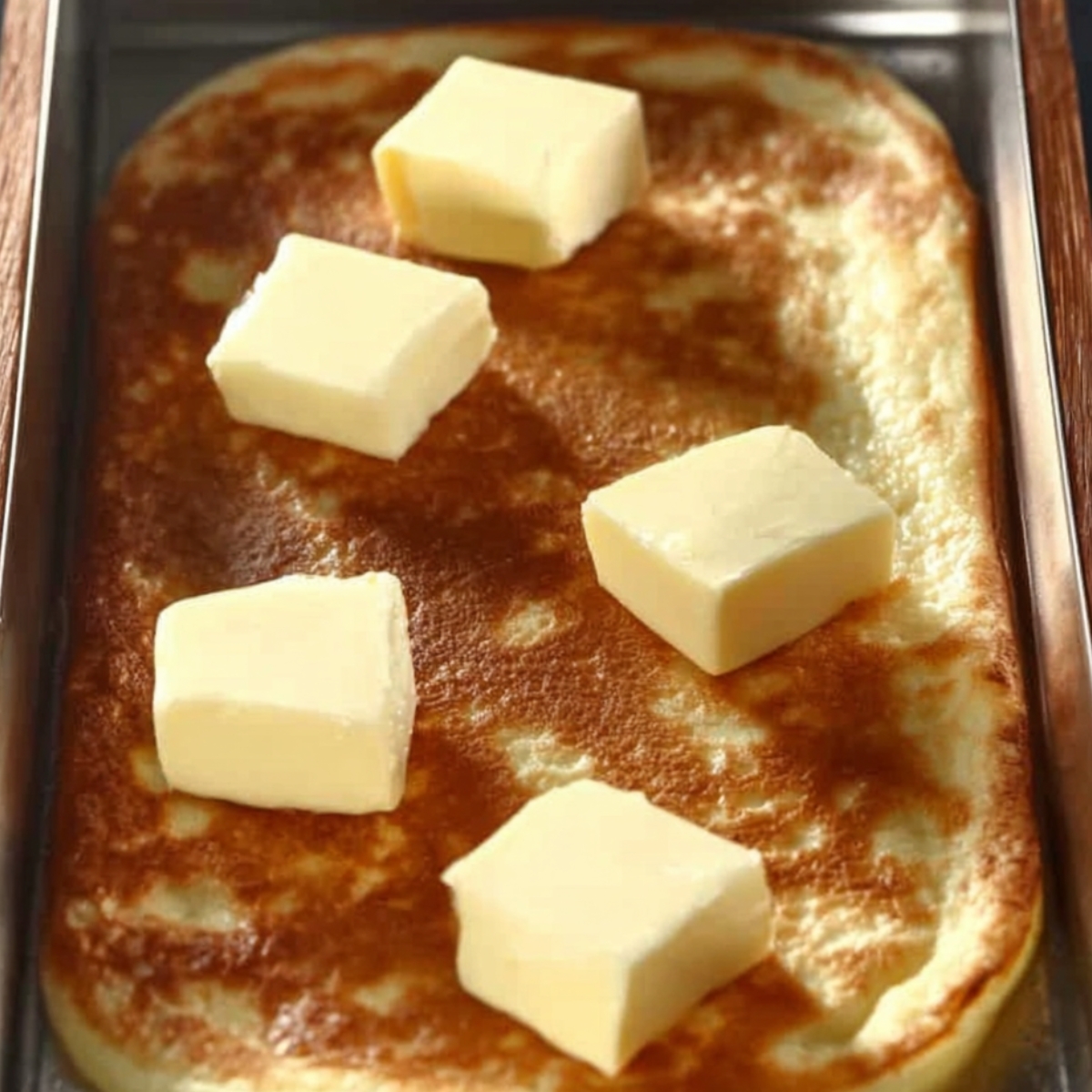
Blend batter: While the butter melts, add the eggs, milk, flour, salt, and vanilla extract to your blender. Cover and blend on medium-high speed until the mixture is completely smooth with no lumps, about 30 seconds.
Pour batter: Carefully remove the hot baking dish from the oven and immediately pour the batter right over the melted butter. Don't stir-just let it settle naturally.
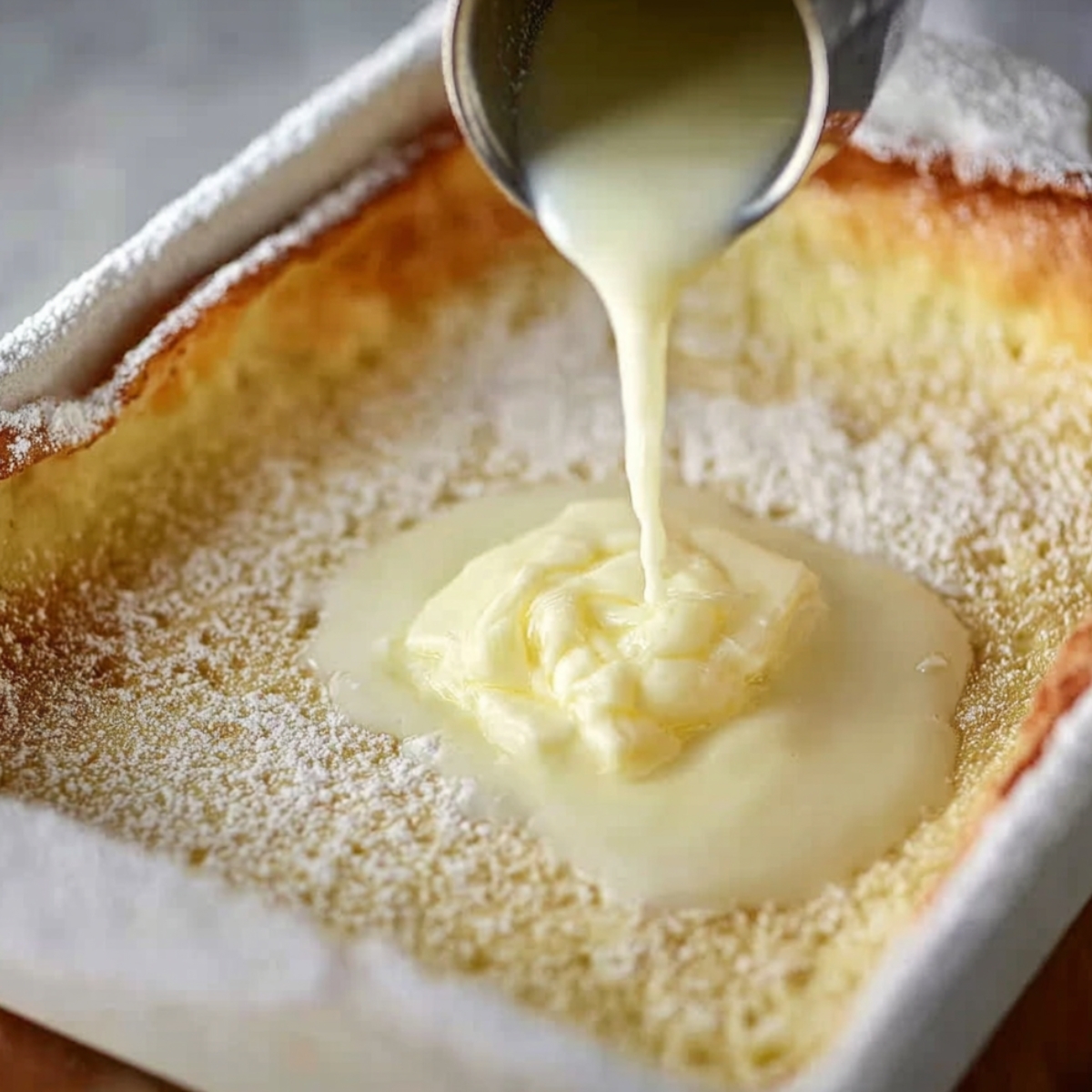
Bake: Slide the dish back into the oven and bake for 24 to 26 minutes, until the edges are puffed up and golden brown. The center might still look a bit soft, and that's exactly what you want.
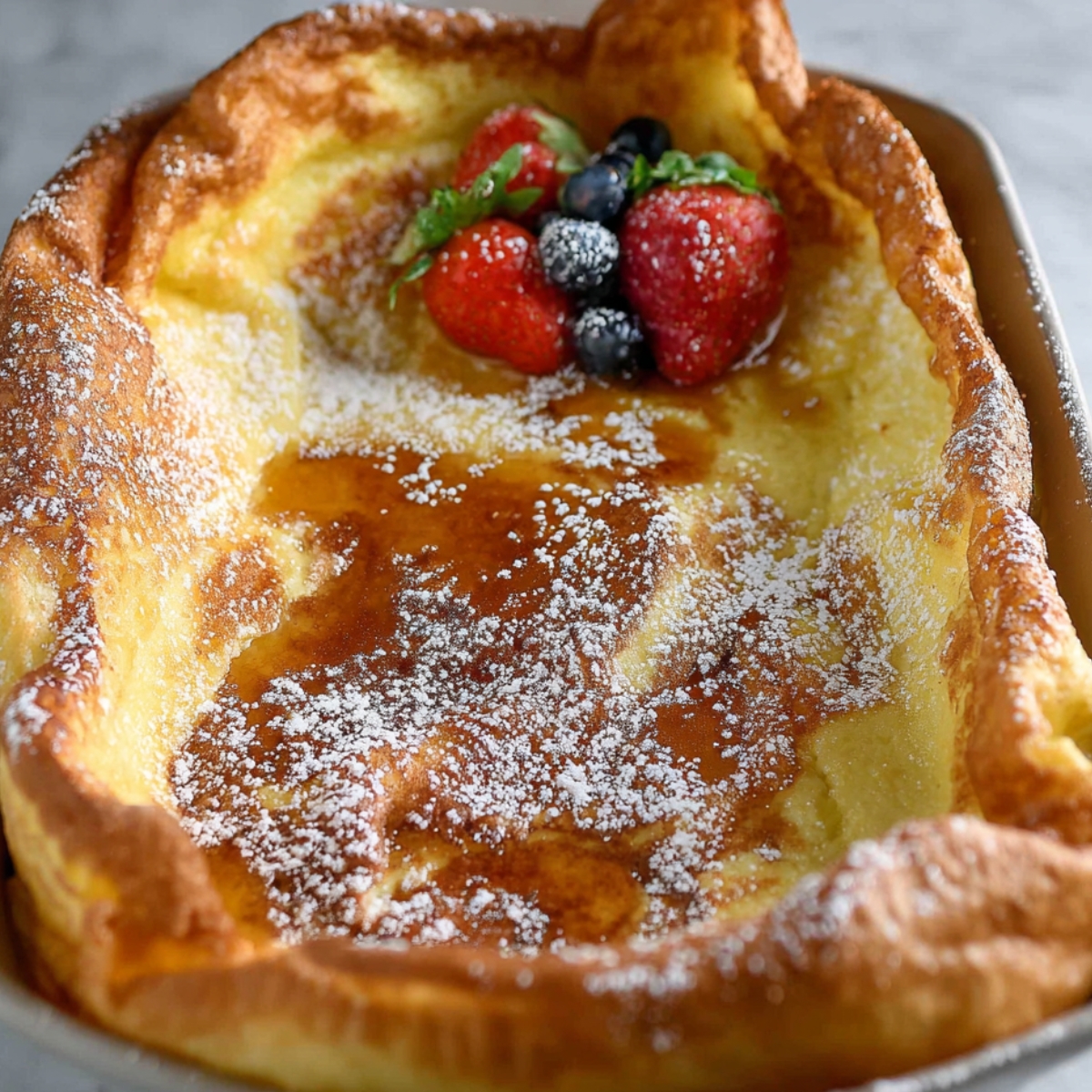
Serve immediately: Pull the pancake from the oven and serve it right away while it's still puffy. Dust generously with powdered sugar and drizzle with warm syrup. The pancake will deflate a bit as it cools, which is completely normal.
Helpful Substitutions
Milk alternatives: Use almond milk, oat milk, or any dairy-free milk you prefer. The texture stays pretty similar, though whole milk gives the richest flavor.
Gluten-free option: Swap the all-purpose flour for a 1-to-1 gluten-free baking blend. The pancake won't puff quite as high, but it still tastes delicious.
Butter substitute: Try coconut oil or a plant-based butter if you're avoiding dairy. Just make sure it's fully melted before adding the batter.
Flavor variations: Add a pinch of cinnamon to the batter, or swap half the vanilla for almond extract for a slightly nutty flavor.
Equipment for German pancakes
You don't need much to make this quick pancake recipe.
A 9x13-inch metal baking dish is essential the metal conducts heat better than glass and helps create those crispy edges. A blender makes the batter silky smooth in seconds, though you could whisk by hand if needed. Keep a cut and serve turner handy for slicing and serving while it's still warm.
Storage Tips
This Dutch baby pancake is definitely best served fresh from the oven while it's still puffy.
If you have leftovers, let them cool completely and store in an airtight container in the fridge for up to 2 days. Reheat individual slices in a 350°F oven for about 5 minutes or pop them in the toaster. They won't puff back up, but they'll still taste good. You can also freeze cooled slices wrapped in plastic wrap and foil for up to a month just reheat straight from frozen in the oven.
Emma's Pancake Disaster (That Turned Out Perfect)
My sister Emma decided to make these for Sunday brunch last month, and she was so excited she forgot to turn on the oven first. "Sarah, why isn't it puffing?" she called out after five minutes, peering through the oven door at the completely flat batter sitting in melted butter.
I walked over and felt the cool glass. "Em, did you actually preheat it?"
Her face turned the same shade as the strawberries she'd been slicing. We cranked the temperature up, waited another ten minutes, and watched through the window as the pancake slowly rose like a hot air balloon taking flight. When it finally came out-edges golden and crispy, middle still wobbling just a bit-she took one bite and declared, "Okay, so that wait was totally worth it." Even Michael, who usually drowns everything in syrup, ate his whole slice plain just to taste those crispy, buttery edges.
expert tips
Use a metal pan: Glass or ceramic dishes don't conduct heat as well, so you won't get those perfectly crispy edges. Metal is worth it.
Don't skip the preheat: That blast of high heat when the batter hits the pan is what makes the edges puff up so dramatically. Let your oven fully heat before baking.
Blend well: Make sure there are absolutely no lumps in your batter. A smooth mixture creates the best texture.
Serve immediately: This puffy pancake breakfast deflates as it cools, which is totally normal. It still tastes great, but that dramatic puff is a fleeting moment worth catching.
Watch the timing: Every oven is a little different. Start checking around 22 minutes-you want golden edges and a center that's just set but still slightly soft.
What Makes German Pancakes So Special?
German pancakes are one of those recipes that looks fancy but comes together in minutes. Unlike regular German pancakes. that require standing at the stove flipping batch after batch, you pour everything into one pan and let the oven work its magic. The eggs puff up dramatically in the high heat, creating those signature crispy, golden edges while the center stays soft and custardy. It's a traditional German pancake dish that's been loved by families for generations, and once you taste that first warm, buttery bite, you'll understand exactly why.
FAQ
What is the difference between German pancakes and regular pancakes?
Regular German pancakes. are thick, fluffy, and cooked on a stovetop griddle one at a time. German pancakes are baked in the oven in one large pan, creating a thin, eggy pancake with crispy edges and a custardy center. They puff up dramatically while baking but deflate as they cool. Think of them as somewhere between a crepe and a popover.
What makes a German pancake?
A German pancake is made with eggs, milk, flour, and butter-similar to crepe batter but baked at high heat in the oven. The high temperature causes the eggs to puff up and create those signature golden, crispy edges. It's the baking method and the ratio of eggs to flour that makes it unique.
Why is a German pancake called a Dutch baby?
The name "Dutch baby" likely came from a mispronunciation or simplification of "Deutsch," which means German pancakes . Some say it was popularized at a Seattle restaurant in the early 1900s, where the owner's daughter called the big, puffy German pancakes "Dutch babies," and the name just stuck. Either way, they're the same delicious egg-based German pancakes.
Why are my German pancakes not fluffy?
If your pancake didn't puff up, check a few things. Make sure your oven was fully preheated to 425°F before baking-that initial blast of heat is crucial. Use a metal baking dish instead of glass, as it conducts heat better. Also, don't open the oven door during the first 20 minutes of baking, as the temperature drop can cause deflation. Finally, make sure your eggs are fresh and your batter is smooth with no lumps.
Related
Looking for other recipes like this? Try these:

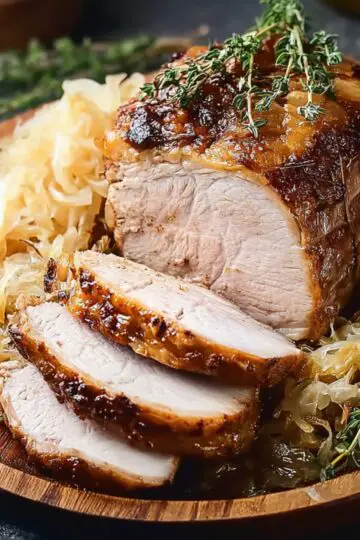

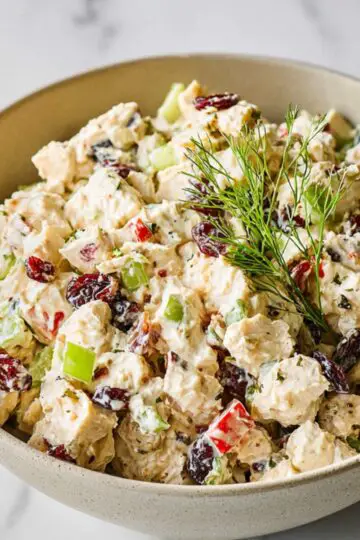
Pairing
These are my favorite dishes to serve with German pancakes
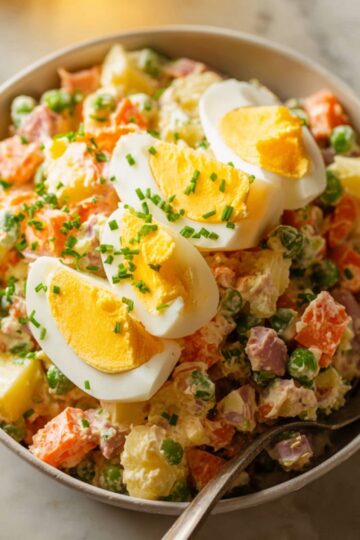

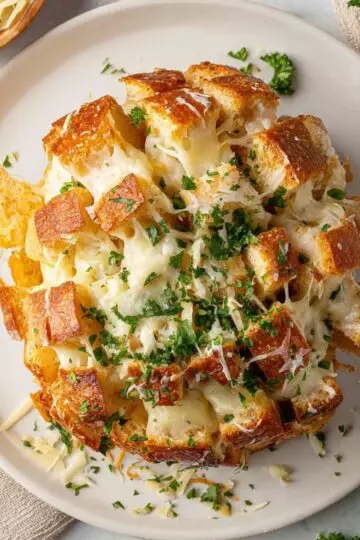

Fluffy German Pancakes
Ingredients
Equipment
Method
- Place the butter in a 9x13-inch metal baking dish and put it in the oven until melted. prep
- Add the eggs, milk, flour, salt, and vanilla extract to a blender and blend until smooth. mix
- Pour the batter into the prepared baking dish over the melted butter. assemble
- Bake for 22-27 minutes, or until the edges are golden brown and puffed up. bake
- Once baked, remove from the oven and serve with powdered sugar and syrup. finish
Leave a Reply