
Sauteed Chicken Breasts come out so tender and juicy, with crispy edges and a perfect blend of garlic, herbs, and paprika in every bite. I started making this recipe during my first year of working full-time, when I needed something fast but didn't want to sacrifice flavor. The best part? You only need one skillet and about 20 minutes from start to finish, which means you can have a restaurant-quality Sauteed Chicken Breasts dinner on the table any night of the week.
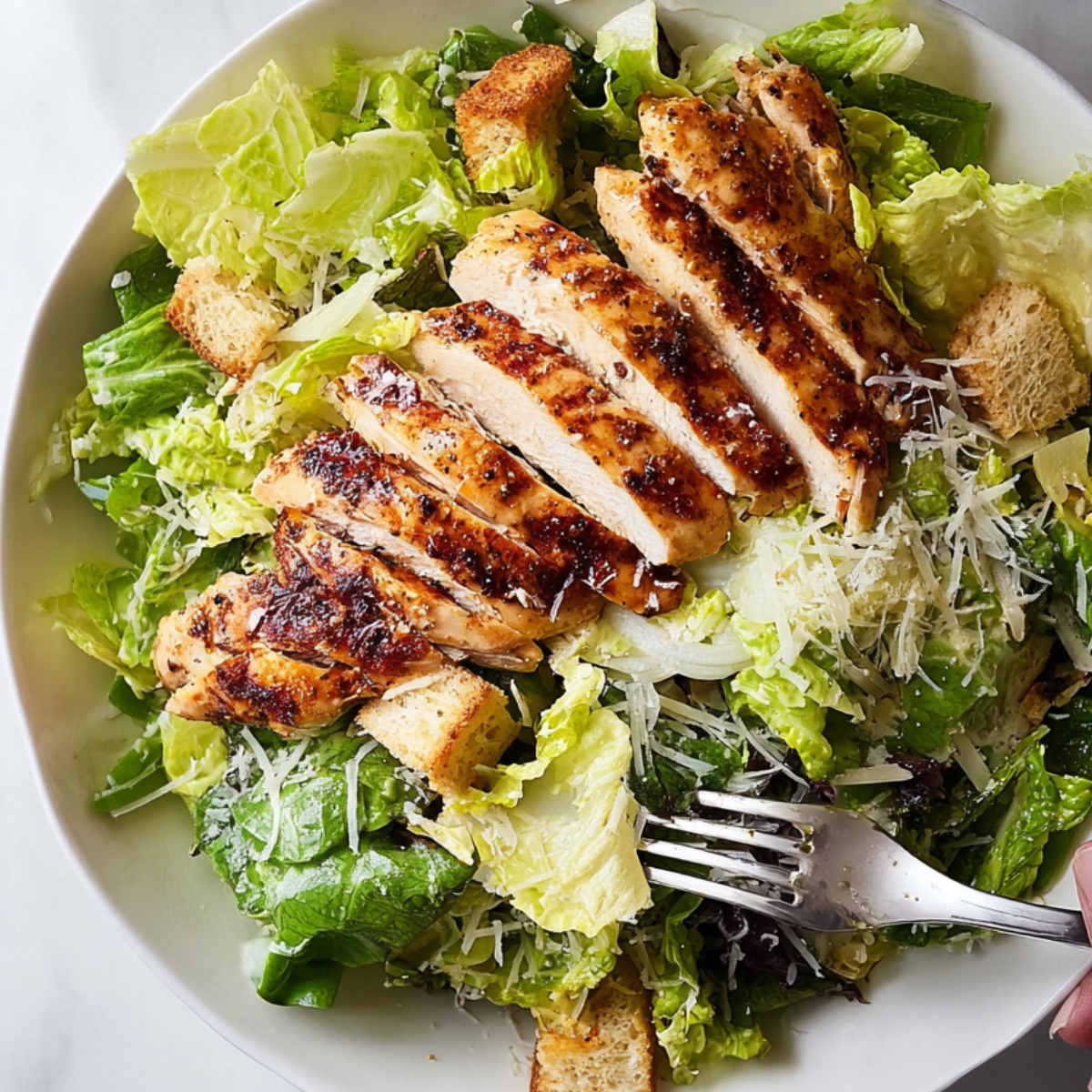
Serve them alongside Easy Instant Pot Split Pea Soup recipe , Easy Southern Black Eyed Peas recipe ,or toss them over a big bowl of Easy Juicy Baked Chicken Legs recipe ,for a meal that feels special without the stress.
What You'll Love Sauteed Chicken Breasts
Quick and easy. From prep to plate in 20 minutes, this is one of those recipes you'll come back to again and again when life gets hectic.
Packed with flavor. The combination of garlic powder, onion powder, and Italian seasoning creates a savory, aromatic crust that tastes like you spent way more time on it.
Perfect for meal prep. Make a batch on Sunday and use the Sauteed Chicken Breasts throughout the week in salads, wraps, pasta dishes, or grain bowls.
Foolproof technique. Cutting the breasts in half ensures they cook through without drying out, which is the number one struggle with Sauteed Chicken Breasts .
Healthy and satisfying. High in protein, low in carbs, and totally diabetic-friendly, this recipe checks all the boxes for a balanced dinner.
Jump to:
Sauteed Chicken Breasts Ingredients
Here's everything you need to make juicy, flavorful Sauteed Chicken Breasts in one skillet.
See Recipe Card Below This Post For Ingredients Quantities
- Chicken breasts: Starting with boneless, skinless breasts keeps things simple and lean. Cutting them in half creates thinner cutlets that cook faster and more evenly, so you don't end up with dry, overcooked chicken.
- Extra virgin olive oil: This is divided between coating the Sauteed Chicken Breasts and heating the skillet. Olive oil adds a subtle richness and helps the seasonings stick to the meat while creating a beautiful golden sear.
- Italian seasoning: A blend of oregano, basil, thyme, and rosemary that brings a warm, herby flavor to the chicken. It's the secret to making this taste like it came from a cozy Italian kitchen.
- Garlic powder: Adds a deep, savory flavor that complements the herbs perfectly. It's more concentrated than fresh garlic and distributes evenly across the chicken.
- Onion powder: Brings a mild sweetness and depth that balances the garlic and spices. It rounds out the flavor without overpowering the dish.
- Paprika: Gives the Sauteed Chicken Breasts a subtle smokiness and a gorgeous golden-red color when it hits the hot skillet.
- Fine sea salt: Enhances all the other flavors and helps the Sauteed Chicken Breasts stay juicy by drawing out just enough moisture to create a flavorful crust.
- Black pepper: Adds a gentle kick and a bit of warmth that ties everything together.
how to make Sauteed Chicken Breasts
Prep the chicken: Using a sharp knife, carefully cut the Sauteed Chicken Breasts in half horizontally to create two thinner cutlets, or save time and purchase pre-cut thin chicken breasts. This step is key for even cooking and keeping the meat juicy.
Mix the seasoning: In a small bowl, combine the Italian seasoning, garlic powder, onion powder, paprika, salt, and black pepper. Stir everything together until well blended.
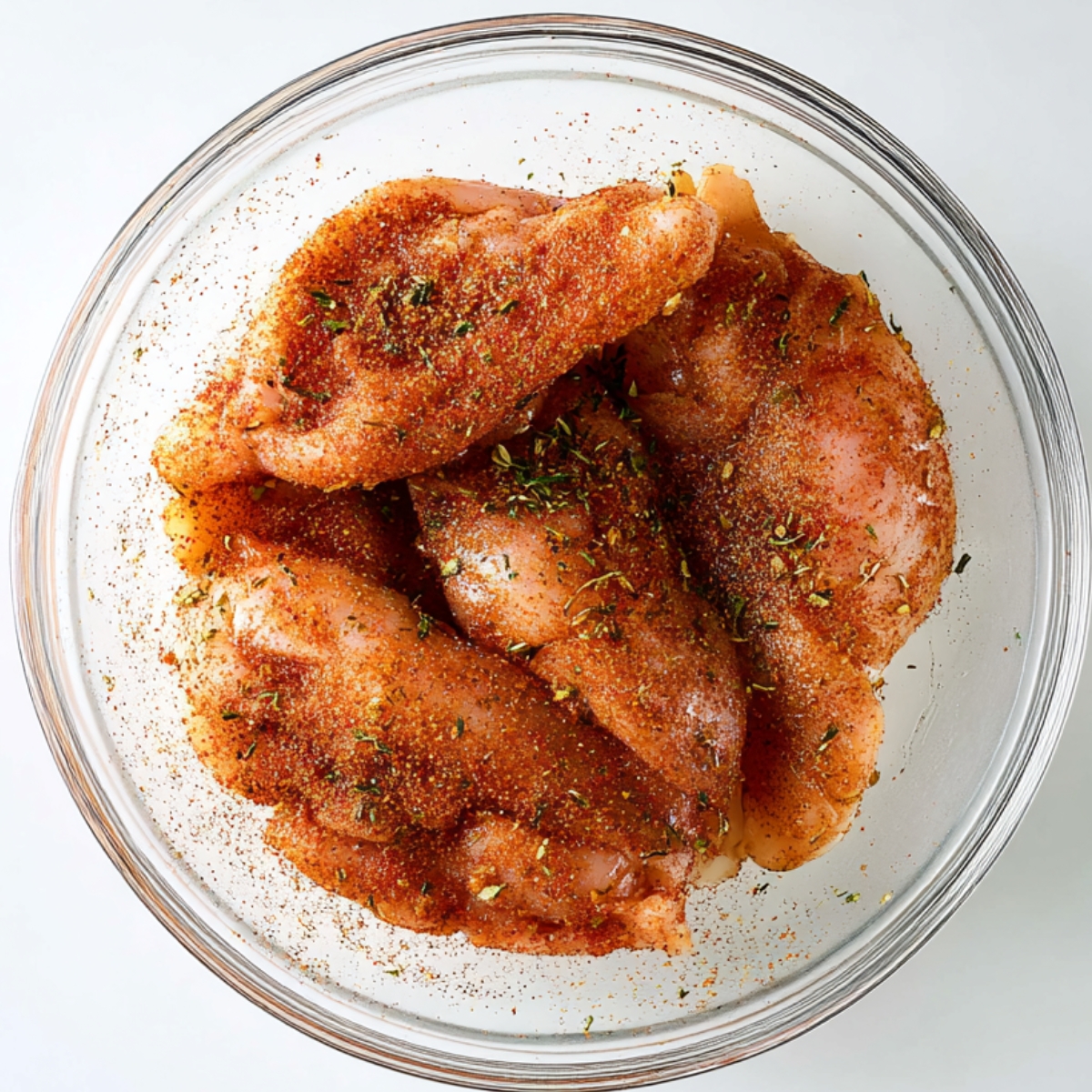
Season the chicken: Drizzle ½ tablespoon of olive oil over the Sauteed Chicken Breasts and rub it evenly on both sides with your hands. Generously sprinkle the seasoning mixture over the front and back of each breast, pressing gently so it sticks.
Heat the skillet: Place a 12-inch skillet over medium heat and add the remaining 2 tablespoons of olive oil. Let it heat until you see a shimmer on the surface, which means it's ready for the chicken.
Cook the chicken: Add the seasoned Sauteed Chicken Breasts to the hot skillet. Cook for 4 to 5 minutes on the first side without moving them, so they develop a golden crust. Flip and cook for another 4 to 5 minutes on the other side. If the skillet gets too hot and starts to smoke, reduce the heat to medium-low to prevent burning while ensuring the chicken cooks all the way through.
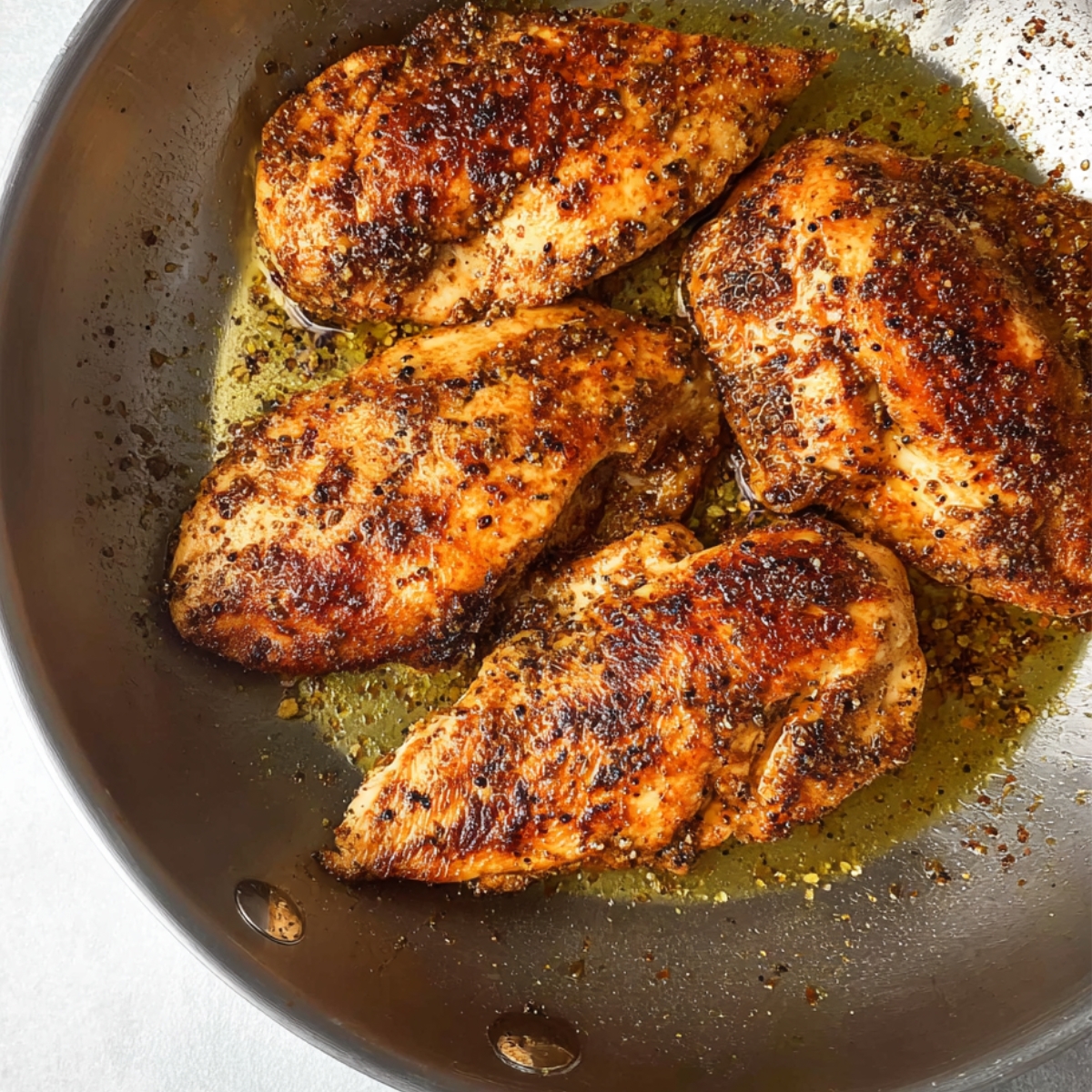
Check for doneness: Insert a digital meat thermometer into the thickest part of the chicken. It should read 165°F. This ensures the Sauteed Chicken Breasts is fully cooked and safe to eat while staying moist and tender.
Rest and serve: Remove the Sauteed Chicken Breasts from the skillet and let it rest on a plate for 3 to 5 minutes before slicing or serving. This lets the juices redistribute so every bite is flavorful and juicy. Enjoy!
Substitutions and Variations
Use chicken thighs: Swap boneless, skinless thighs for a richer, more forgiving cut that's harder to overcook. Adjust the cooking time to 6 to 7 minutes per side.
Try butter instead of oil: For an even richer flavor, use 2 tablespoons of butter in the skillet. Just watch it closely so it doesn't burn.
Add a pan sauce: After cooking the chicken, leave the skillet on the heat and add ½ cup of chicken broth, a splash of lemon juice, and a tablespoon of butter. Scrape up the brown bits and simmer for 2 minutes for a quick, flavorful sauce.
Switch up the spices: Use Cajun seasoning, taco seasoning, or lemon pepper in place of the Italian blend for a completely different flavor profile.
Make it spicy: Add ½ teaspoon of cayenne pepper or red pepper flakes to the seasoning mix for a little heat.
Equipment for Sauteed Chicken Breasts
12-inch skillet: A large, heavy-bottomed skillet ensures even heat distribution and gives you enough room to cook all the Sauteed Chicken Breasts without crowding, which is key for getting that golden crust.
Digital meat thermometer: This is the easiest way to check for doneness without cutting into the Sauteed Chicken Breasts and losing those precious juices. Aim for 165°F every time.
Measuring spoons: For accurate seasoning ratios that deliver consistent flavor.
Sharp knife: Makes it easy to slice the Sauteed Chicken Breasts in half cleanly and safely. A dull knife can slip and make the job harder.
Storage and Reheating Tips
Refrigerator: Store cooked chicken in an airtight container in the fridge for up to 4 days. Let it cool completely before sealing to prevent condensation.
Freezer: Wrap each piece individually in plastic wrap, then place in a freezer-safe bag or container for up to 3 months. Thaw overnight in the fridge before reheating.
Reheating: Warm sliced chicken in a skillet over medium-low heat with a splash of chicken broth to keep it moist. You can also microwave it in 30-second intervals, covering it with a damp paper towel to prevent drying out.
Meal prep tip: Slice the Sauteed Chicken Breasts after it cools and portion it into containers with your favorite sides for grab-and-go lunches all week long.
Expert Tips
Don't skip the resting time. Letting the chicken rest for a few minutes after cooking allows the juices to settle back into the meat, so every bite stays moist and flavorful.
Use a hot skillet. Make sure your oil is shimmering before adding the chicken. A hot pan creates that beautiful golden crust and locks in moisture.
Avoid overcrowding. If you're making a bigger batch, cook the chicken in two batches. Crowding the pan lowers the temperature and causes the chicken to steam instead of sear.
Season generously. Don't be shy with the spice rub. Chicken breast is mild, so it needs a good coating to bring out all that savory, garlicky flavor.
Slice on the bias. When serving, slice the chicken at a slight angle for prettier presentation and more tender bites.
FAQ
What is the best way to saute chicken?
The key is starting with a hot skillet and using enough oil to coat the bottom evenly. Season the chicken well, don't move it around too much while it cooks, and always check the internal temperature to make sure it hits 165°F. My mom always told me, "Let the pan do the work," and she was right.
How to cook chicken for diabetic patients?
This recipe is perfect for diabetics because it's low in carbs and high in lean protein. Skip any sugary sauces and stick with olive oil, herbs, and spices. Pair it with non-starchy vegetables like broccoli, green beans, or a leafy salad to keep blood sugar stable.
Is chicken breast good for diabetics?
Absolutely. Skinless chicken breast is a lean protein that doesn't spike blood sugar and helps keep you full longer. It's a staple in diabetic-friendly meal planning, especially when seasoned simply like this recipe. Just watch the sodium if you're monitoring your salt intake.
Should I saute chicken in oil or butter?
Both work great, but olive oil has a higher smoke point, which makes it better for higher heat cooking without burning. Butter adds a richer, more indulgent flavor but can brown quickly, so if you use it, keep the heat at medium and watch it closely. For the best of both worlds, start with oil and add a tablespoon of butter at the end for flavor.
Related
Looking for other recipes like this? Try these:

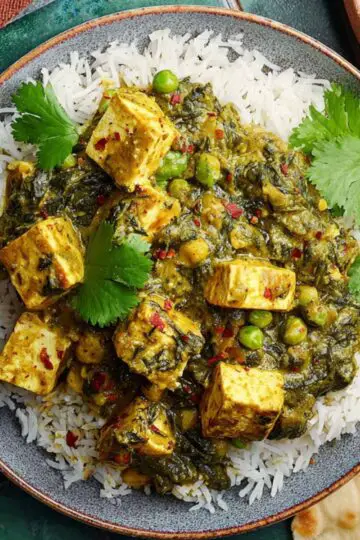

Pairing
These are my favorite dishes to serve with Sauteed Chicken Breasts

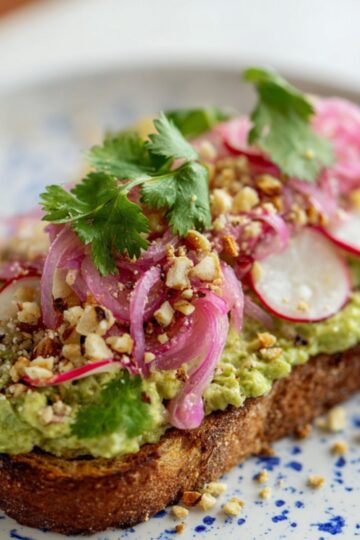
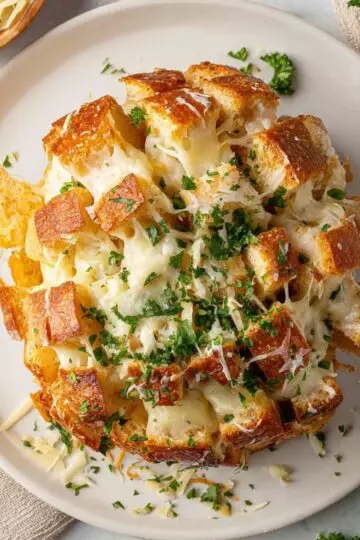
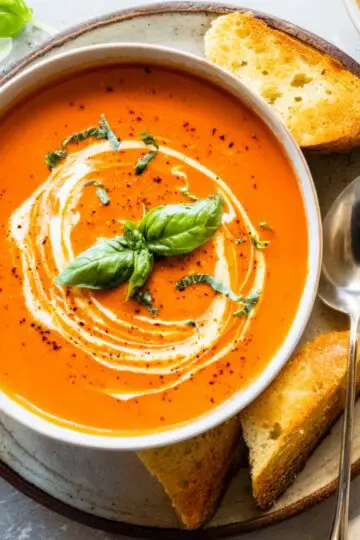
Sauteed Chicken Breasts
Ingredients
Method
- Slice the chicken breasts in half horizontally to make two thinner cutlets. prep
- Combine Italian seasoning, garlic powder, onion powder, paprika, salt, and black pepper in a small bowl. mix
- Drizzle ½ tablespoon olive oil over the chicken cutlets and rub evenly on both sides. Sprinkle the seasoning mixture on both sides and gently press to adhere. mix
- Heat a 12-inch skillet over medium heat and add 2 tablespoons of olive oil. Once hot, place chicken in the skillet and cook 4-5 minutes per side. Reduce heat to medium-low if skillet becomes too hot to prevent burning. prep
- Check the thickest part of the chicken with a digital meat thermometer; it should reach 165°F. finish
- Remove chicken from the skillet and let rest for 3-5 minutes before serving to lock in juices. finish


Leave a Reply