
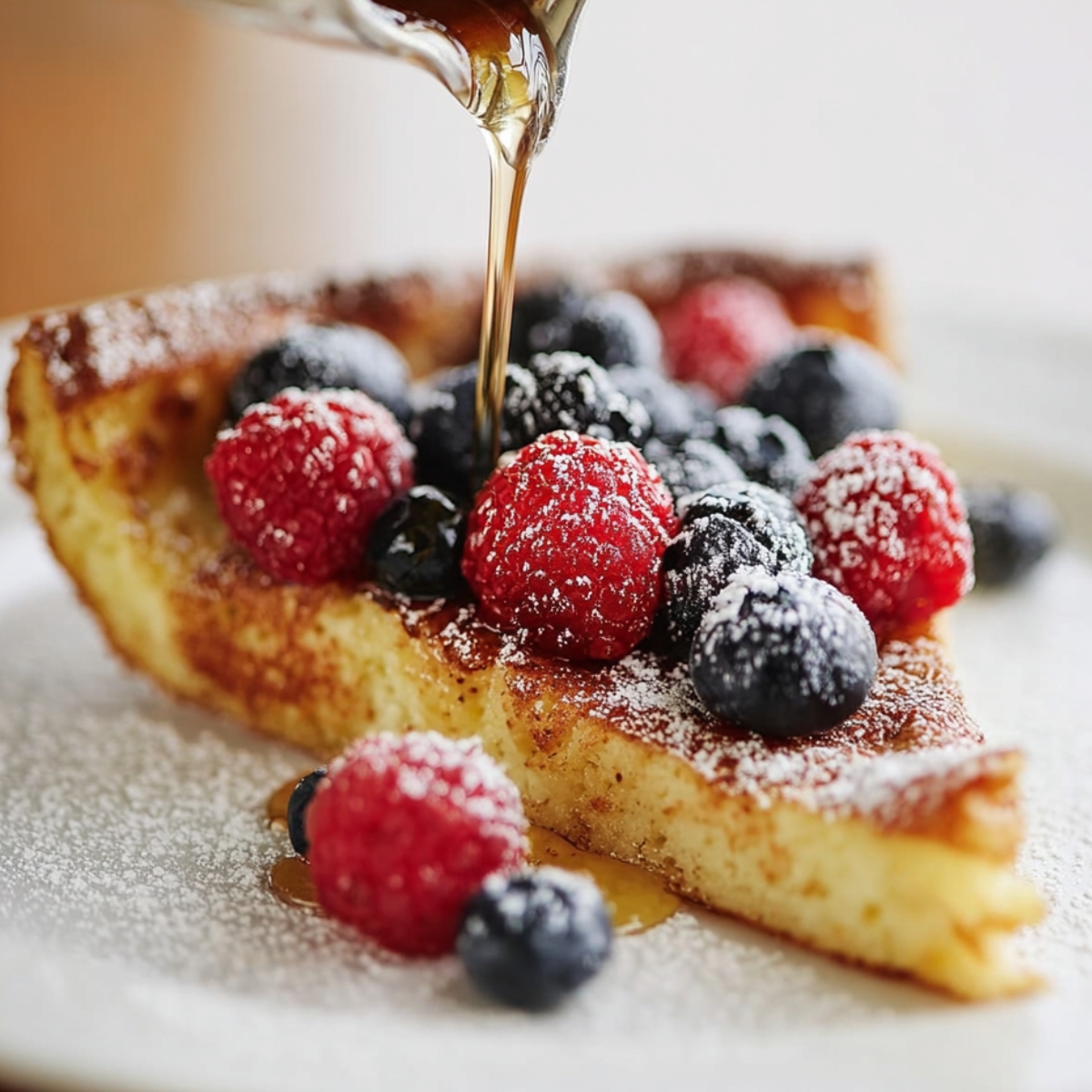
Dutch Baby out of the oven and watch everyone's eyes go wide. The edges rise up like little clouds, crispy and caramelized, while the center stays soft and custardy. I first made this oven-baked pancake on a lazy Sunday morning when I wanted something special but didn't have the energy for flipping individual pancakes, and it's been my secret weapon ever since. It looks like you spent hours in the kitchen, but honestly, it takes less effort than regular pancakes and tastes twice as good.
If you love easy weekend brunch ideas, you might also enjoy my Easy Cottage Cheese Wraps
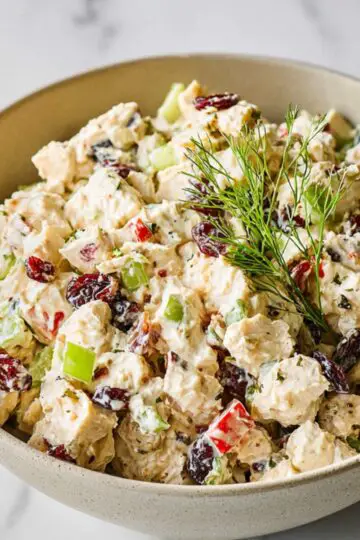
, Easy Cranberry Walnut Bread Recipe or this Easy Chicken Salad with Apples recipe that pairs beautifully with any breakfast.
Why You'll Love Dutch Baby
This recipe checks every box for a stress-free weekend brunch. The batter comes together in a blender in less than two minutes, so there's no whisking or sifting. You don't need any special ingredients, just pantry staples like eggs, milk, and flour. And because it bakes in one skillet, cleanup is a breeze.
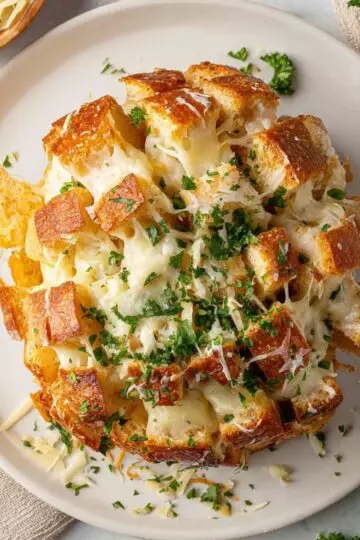
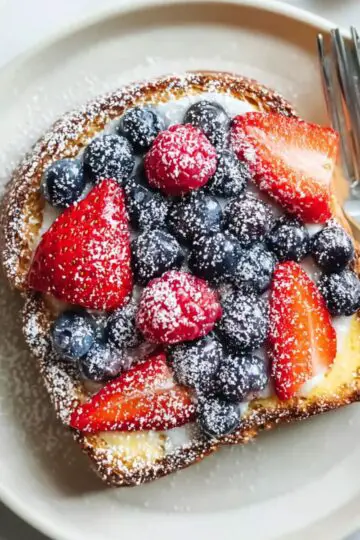
It's also incredibly versatile. You can keep it simple with just maple syrup and powdered sugar, or dress it up with fresh berries, whipped cream, lemon curd, or even a savory twist with cheese and herbs. It feels gourmet, but it's beginner-friendly and almost impossible to mess up.
The puff is the star of the show. Watching it rise in the oven never gets old, and it always impresses guests. Even though it deflates a bit when you take it out, it still looks stunning and tastes amazing.
Jump to:
Dutch Baby Ingredients
Everything you need is probably already in your fridge. Here's what makes this fluffy egg pancake so good.
See Recipe Card Below This Post For Ingredients Quantities
- Eggs: The backbone of the batter. They provide structure and help the Dutch Baby puff up beautifully in the oven.
- Whole milk: Adds richness and moisture to the batter. Whole milk works best, but you can use 2% if that's what you have.
- All-purpose flour: Forms the base of the batter and gives the Dutch Baby its soft, tender texture.
- Sugar: Just a touch of sweetness. It balances the richness of the eggs and butter without making the pancake taste like dessert.
- Salt: Enhances all the flavors and keeps the sweetness in check.
- Vanilla extract: Adds a warm, cozy aroma and a hint of depth to the flavor.
- Butter: This is what creates those crispy, golden edges. When it melts in the hot skillet, it sizzles and coats the pan, giving the Dutch Baby a beautiful caramelized crust.
How to make Dutch Baby
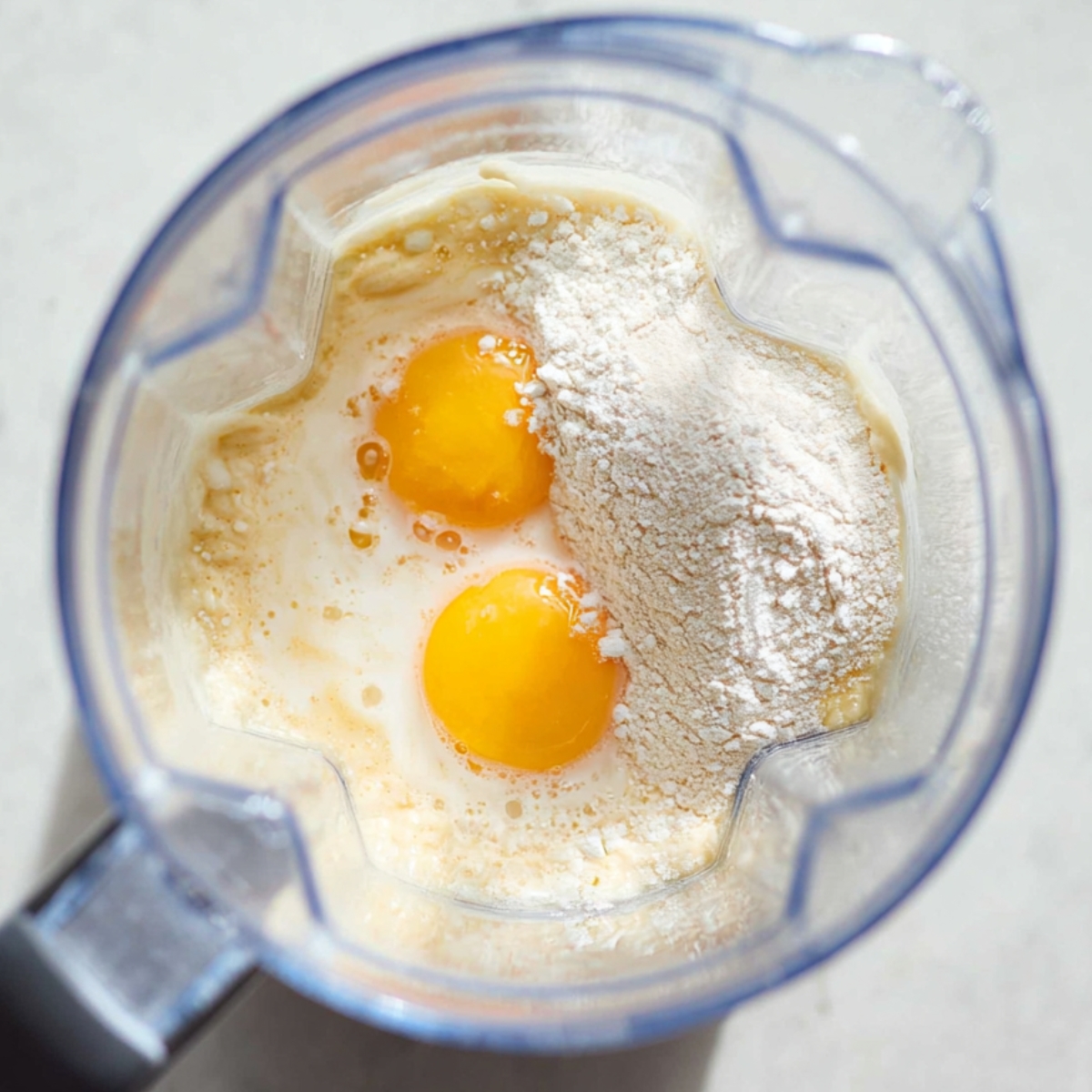
Prepare the batter: Add the eggs, milk, flour, sugar, salt, and vanilla extract to a large blender. Blend until the mixture is completely smooth and there are no lumps. Let the batter sit at room temperature while the oven heats up. This helps it warm slightly, which encourages a better puff.
Preheat the oven: Place your 10-inch cast iron skillet in the oven and preheat to 425°F. Once the oven reaches temperature, let the skillet heat for an additional 10 minutes. You want it screaming hot so the batter sizzles when it hits the pan.
Melt the butter: Carefully remove the hot skillet from the oven using oven mitts (don't skip this step or you'll regret it). Add the butter and swirl it around to coat the bottom and sides of the pan. Return the skillet to the oven for 30 to 60 seconds, just until the butter starts to brown slightly and smell nutty.
Add the batter: Take the skillet out again and give it a quick swirl to make sure the butter is evenly distributed. Quickly pour the prepared batter into the center of the hot skillet. It should sizzle as it hits the butter.
Bake the Dutch Baby: Place the skillet back in the oven and bake for 14 to 15 minutes, until the edges are puffed and golden brown and the center looks set. Don't open the oven door while it's baking or the puff will collapse.
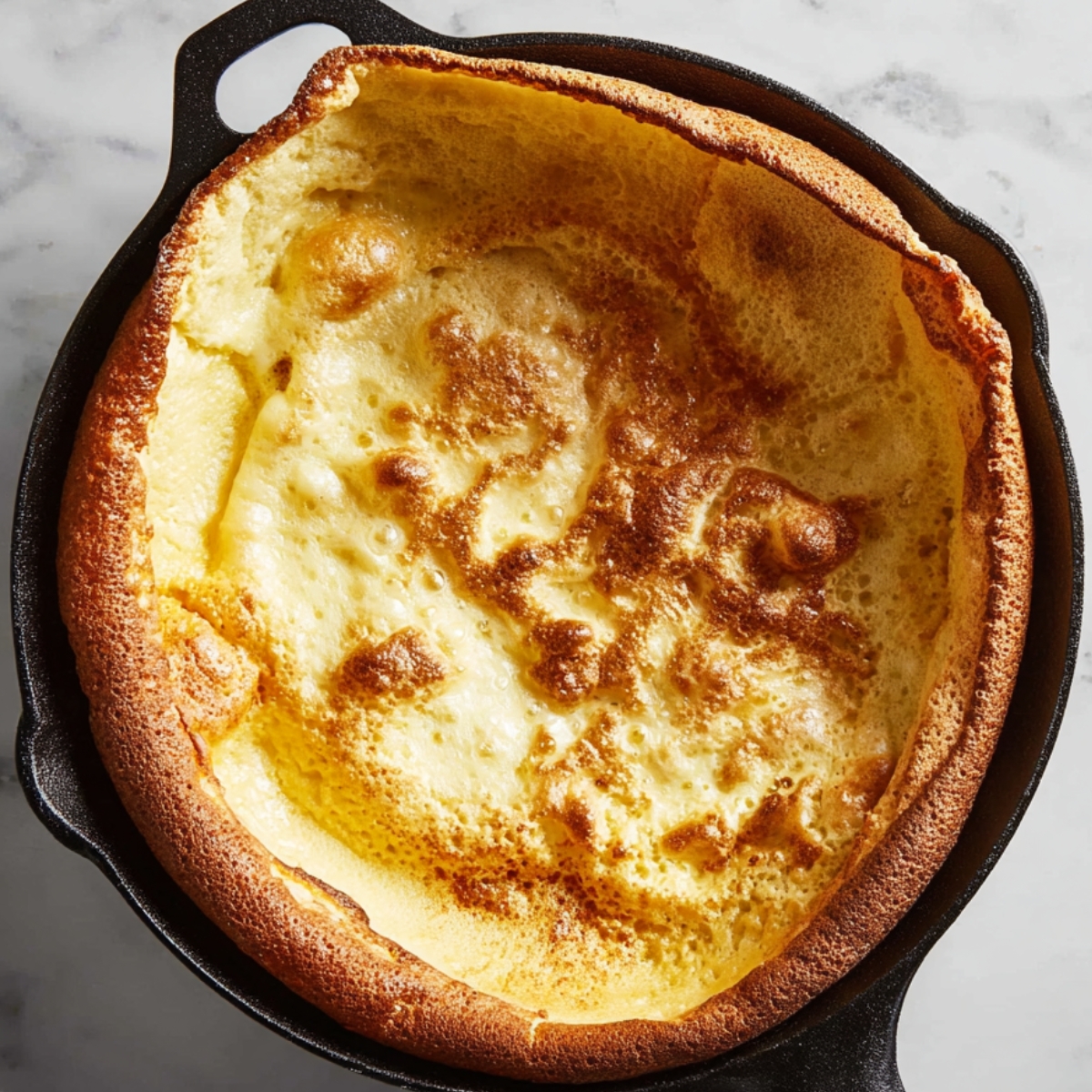
Serve: Remove the skillet from the oven and let it sit for just a minute. The Dutch Baby will deflate slightly, but that's normal. Slice it into 4 to 6 pieces and serve immediately with maple syrup, fresh berries, powdered sugar, or whatever toppings you love.
Substitutions and Variations
This recipe is pretty flexible, so feel free to make it your own.
Milk: You can swap whole milk for 2% or even oat milk if you need a dairy-free option. The texture will be slightly less rich, but it'll still puff nicely.
Flour: All-purpose works best, but you can use half whole wheat flour for a nuttier flavor. Just know that it might make the Dutch Baby a bit denser.
Sugar: Leave it out entirely if you're making a savory version, or swap it for brown sugar for a deeper, caramel-like sweetness.
Savory twist: Skip the vanilla and sugar, and add a pinch of black pepper and some shredded cheese to the batter. Top with sautéed mushrooms, spinach, or crumbled bacon.
Flavored Dutch Babies: Stir in a tablespoon of cocoa powder for a chocolate version, or add a teaspoon of cinnamon for a warm, spiced flavor.
Equipment For Dutch Baby
You don't need much to make this oven puff pancake, but the right tools make a big difference.
10-inch cast iron skillet: This is essential. Cast iron retains heat incredibly well, which is what makes the Dutch Baby puff so dramatically. If you don't have one, a heavy oven-safe skillet will work, but the puff won't be quite as impressive.
Blender: Makes the batter smooth and lump-free in seconds. You can whisk by hand if you don't have a blender, but it takes a bit more effort.
Oven mitts: Non-negotiable. That skillet gets extremely hot, and you'll be handling it multiple times.
Measuring cups and spoons: For accurate ingredient amounts.
How to Store and Reheat
Dutch Babies are best enjoyed fresh out of the oven, but you can store leftovers if you have any.
Refrigerator: Let any leftover pieces cool completely, then store them in an airtight container in the fridge for up to 2 days. The texture won't be quite as puffy when you reheat it, but it's still delicious.
Reheating: Warm individual slices in a 350°F oven for about 5 minutes, or heat them in the microwave for 20 to 30 seconds. The oven method keeps the edges a bit crisper.
Freezing: You can freeze cooled slices wrapped tightly in plastic wrap and placed in a freezer bag for up to 1 month. Thaw in the fridge overnight and reheat in the oven.
expert tips
Preheat the skillet properly. The key to a dramatic puff is a screaming-hot skillet. Don't rush this step. Let it heat for the full 10 minutes after the oven reaches temperature.
Use room temperature batter. Letting the batter sit while the oven heats helps it warm up slightly, which encourages a better rise. Cold batter straight from the blender won't puff as much.
Don't open the oven door. I know it's tempting to peek, but opening the door releases heat and can cause the Dutch Baby to deflate. Wait until the timer goes off.
Watch the butter. You want it to brown slightly, which adds a nutty flavor, but don't let it burn. If it starts smoking, pull the skillet out immediately.
Serve it fast. Dutch Babies deflate as they cool, so slice and serve as soon as it comes out of the oven. It'll still taste great even after it deflates, but the puff is part of the magic.
Adjust the sweetness. If you like things sweeter, bump the sugar up to 3 tablespoons. If you're planning to top it with syrup or jam, keep the sugar as is.
FAQ
What are common Dutch baby mistakes?
The biggest mistake is not preheating the skillet long enough. If the pan isn't hot, the batter won't puff. Another common issue is opening the oven door while it's baking, which lets out heat and causes the Dutch Baby to collapse. Also, make sure you're using a heavy, oven-safe skillet like cast iron. Thin pans don't hold heat well enough to get that dramatic rise.
Does a Dutch baby need to be refrigerated?
If you have leftovers, yes. Let the Dutch Baby cool completely, then store it in an airtight container in the fridge for up to 2 days. It's best fresh, but you can reheat slices in the oven or microwave and they'll still taste good.
What's the secret to a fluffy Dutch baby?
A screaming-hot skillet and a hot oven are the keys. The high heat causes the batter to steam and puff up quickly. Also, don't overmix the batter. Blend just until smooth, then let it rest. And resist the urge to open the oven door while it bakes.
How to keep a Dutch baby from deflating?
You can't completely prevent it from deflating. It's just what Dutch Babies do as they cool. But you can minimize it by serving immediately, keeping the oven door closed while it bakes, and making sure your skillet is fully preheated. The deflation is normal and doesn't affect the taste at all.
Related
Looking for other recipes like this? Try these:



Pairing
These are my favorite dishes to serve with Dutch Baby



Dutch Baby
Ingredients
Method
- Combine the eggs, milk, flour, sugar, salt, and vanilla in a blender. Blend until completely smooth and lump-free. prep
- Let the batter rest at room temperature while you preheat the oven. prep
- Place a 10-inch cast iron skillet in the oven and preheat to 425°F. Once oven reaches temperature, let skillet heat for 10 more minutes. prep
- Using oven mitts, carefully remove the hot skillet and add the butter. Swirl to coat the bottom and sides, then return to oven for 30-60 seconds until butter begins to brown. prep
- Remove skillet again, swirl butter evenly, and quickly pour in the prepared batter. assemble
- Bake in the preheated oven for 14-15 minutes, until the Dutch Baby is puffed and golden brown. bake
- Slice into 4-6 pieces and serve immediately with maple syrup and fresh berries if desired. finish

Leave a Reply