
Two years ago, my neighbor Mrs. Kovács invited us to a traditional Hungarian dinner, and William's eyes went wide when he tasted her Hungarian goulash. "This tastes like a warm hug," he announced, and I knew I had to learn her secrets. After months of Sunday cooking lessons in her kitchen (and countless batches that didn't quite measure up), I've finally mastered this authentic goulash that's become our cold-weather comfort meal. The secret? Real Hungarian paprika, proper technique, and patience - this isn't a recipe you rush. This traditional Hungarian recipe taught me that the best comfort food comes from respecting generations of culinary wisdom and letting slow cooked goulash work its magic.
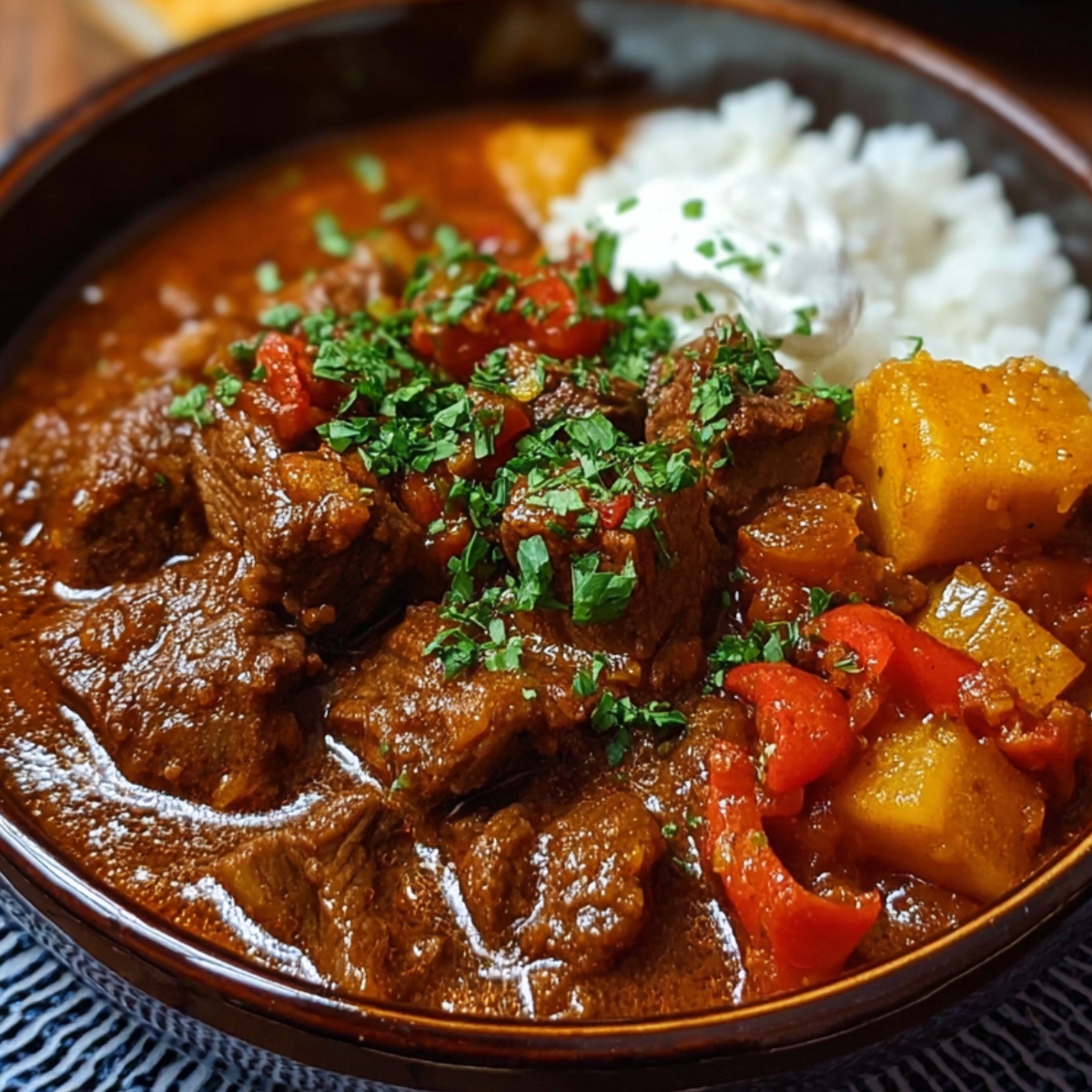
Why You'll Love This Hungarian Goulash
Made this enough times to know it beats canned soup and restaurant versions. Takes time but not constant attention. Just brown meat and let it simmer. That paprika broth gets richer the longer it cooks. Meat becomes fork-tender. Vegetables add natural sweetness. One pot from start to finish. Feeds eight to ten people. Tastes even better the next day.
Takes thirty minutes prep. Rest is just simmering for two hours. Nearly foolproof with low heat. Too thick once, added more broth. Not enough paprika another time, stirred in more. Hard to ruin when it's forgiving ingredients. William loves this because the meat "falls apart like magic" and he can fish out the bell peppers if he's feeling particular. The broth is perfect for dunking bread.
Jump to:
- Why You'll Love This Hungarian Goulash
- Ingredients for Hungarian Goulash
- How To Make Hungarian Goulash Step By Step
- Smart Swaps for Hungarian Goulash
- Delicious Regional Twists
- equipement for Perfect Hungarian Goulash
- Storing Your Hungarian Goulash
- Top Tip
- FAQ
- Your New Family Tradition
- Related
- Pairing
- Hungarian Goulash
Ingredients for Hungarian Goulash
For the Meat:
- 3 lbs beef chuck, cut into 1.5-inch cubes
- 2 tablespoons lard or vegetable oil
- 2 teaspoons sea salt
- 1 teaspoon black pepper
For the Base:
- 3 large yellow onions, diced
- 6 cloves garlic, minced
- 2 red bell peppers, cut into strips
- 1 green bell pepper, cut into strips
- 3 large carrots, cut into chunks
- 3 medium potatoes, cubed
For the Paprika Magic:
- 4 tablespoons Hungarian sweet paprika
- 1 tablespoon smoked paprika
- 2 tablespoons tomato paste
- 1 can (14 oz) crushed tomatoes
- 6 cups beef broth
- 2 bay leaves
- 1 tablespoon caraway seeds
- 1 teaspoon dried marjoram
For Finishing:
- 2 tablespoons fresh parsley, chopped
- Sour cream for serving
- Hungarian paprika for garnish
- Crusty bread on the side
How To Make Hungarian Goulash Step By Step
Brown the Beef Properly
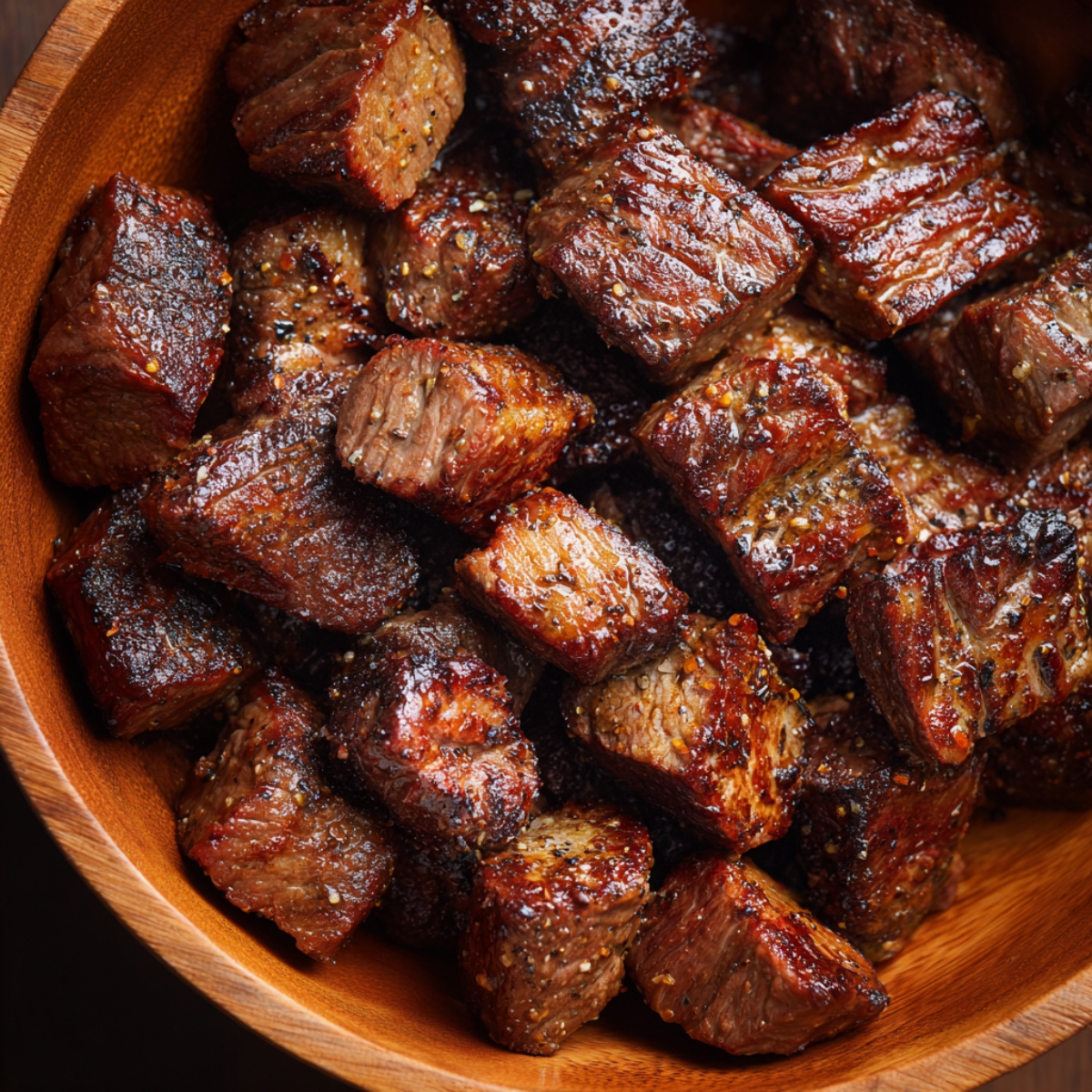
Pat beef cubes completely dry with paper towels - wet meat steams instead of browns. Heat lard or oil in your Dutch oven over medium-high heat until shimmering. Season beef generously with salt and pepper. Working in batches (don't crowd the pan!), brown beef cubes on all sides, about 8-10 minutes per batch. You want deep caramelization, not pale gray meat. This browning creates the flavor foundation for your entire goulash stew. Transfer browned beef to a plate and don't wipe out the pot - those crusty brown bits (fond) are pure flavor. This step takes patience but it's the difference between good goulash and exceptional goulash.
Build the Flavor Base
Reduce heat to medium and add diced onions to the pot with all those beautiful browned bits. Cook for 10-12 minutes, stirring occasionally, until onions are deeply golden and sweet. They'll release moisture and help lift those stuck-on bits from the bottom. Add minced garlic and cook 1 minute until fragrant. Now comes the crucial paprika moment - remove pot from heat completely and stir in your Hungarian sweet paprika and smoked paprika. This off-heat blooming prevents the paprika from burning and turning bitter. Stir for 30 seconds, then add tomato paste and stir another minute. The mixture should look like a thick, red-brown paste that smells absolutely incredible.
Add Liquids and Simmer
Return pot to medium heat and add crushed tomatoes, stirring to incorporate that paprika paste. Pour in beef broth gradually while stirring, scraping up every bit of flavor from the pot bottom. Return browned beef and any accumulated juices to the pot. Add bay leaves, caraway seeds, and marjoram. Bring to a boil, then immediately reduce to the lowest simmer possible - you should see just a few lazy bubbles breaking the surface. Cover partially (not fully - you want some evaporation) and simmer for 1.5 hours. Don't rush this - the slow cooking is what transforms tough beef into that melt-in-your-mouth texture that defines Hungarian paprika stew.
Add Vegetables and Continue
After 1.5 hours, the beef should be starting to get tender when you test it with a fork. Add your bell peppers, carrots, and potatoes to the pot, stirring gently to submerge them in the liquid. If the liquid level is below the ingredients, add more broth or water. Continue simmering uncovered for another 30-45 minutes until vegetables are tender and beef is completely fork-tender - it should break apart with barely any pressure. The broth will reduce and thicken slightly from the potato starch, creating that characteristic hearty comfort food texture. Taste and adjust salt - you'll likely need more than you think.
Rest and Serve
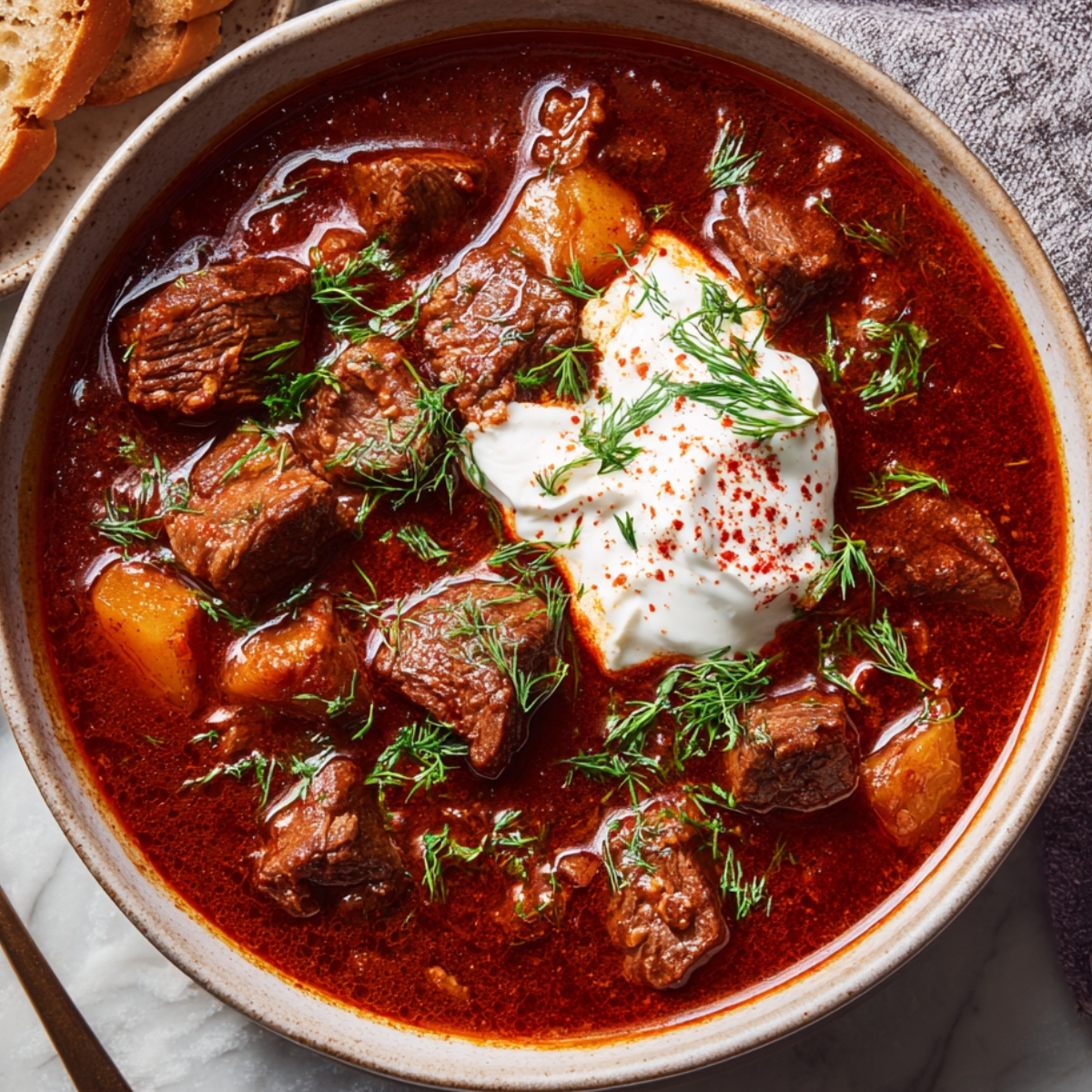
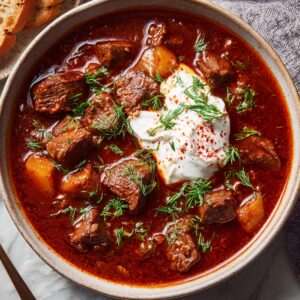
Remove from heat and let your traditional Hungarian goulash rest for 15 minutes. This resting time is crucial - it allows flavors to marry and the sauce to thicken naturally. Remove bay leaves before serving. Ladle into deep bowls, making sure everyone gets plenty of that gorgeous paprika-rich broth. Top each bowl with a generous dollop of sour cream and a sprinkle of fresh paprika. The sour cream isn't just garnish - it's traditional and adds a tangy richness that balances the sweet paprika. Serve with crusty bread for soaking up every drop of that incredible broth.
Smart Swaps for Hungarian Goulash
Meat Options:
- Beef chuck → Pork shoulder (traditional variation)
- Beef → Lamb shoulder (richer flavor)
- Stew meat → Short ribs (more expensive, incredible)
- Beef → Chicken thighs (not traditional but tasty)
For Slow Cooker Version:
- Brown meat and onions first
- Transfer to goulash slow cooker
- Add all ingredients
- Cook low 8 hours or high 4 hours
Paprika Alternatives:
- Can't find Hungarian → Use 5 tablespoon sweet Spanish + 1 tablespoon smoked
- No smoked → All sweet Hungarian paprika
- Mild version → Reduce paprika by 1 tablespoon
Vegetable Swaps:
- Potatoes → Sweet potatoes
- Bell peppers → Poblano peppers (more heat)
- Carrots → Parsnips
- Standard → Add turnips or rutabaga
Delicious Regional Twists
Viennese Goulash:
- Add more broth (soupier)
- Include lemon zest
- Caraway prominent
- Serve with dumplings
Székely Goulash:
- Add sauerkraut
- Use pork instead of beef
- Extra sour cream
- Transylvanian specialty
Pörkölt (Thicker Version):
- Less liquid
- Thicker stew consistency
- Served over nokedli (Hungarian dumplings)
- More concentrated flavor
Gulyásleves (True Soup):
- Much more broth
- Smaller meat pieces
- Served as soup course
- Lighter consistency
Mushroom Addition:
- Wild mushrooms traditional
- Adds earthiness
- Dehydrated porcini work
- Soak first in broth
equipement for Perfect Hungarian Goulash
- Heavy Dutch oven (6-8 quart)
- Sharp chef's knife
- Large cutting board
- Wooden spoon
- Ladle
Storing Your Hungarian Goulash
Fridge (5 days):
- Cool completely first
- Airtight container
- Improves day two and three
- Reheat gently on stove
Freezer (3 months):
- Freeze without potatoes (get mushy)
- Leave headspace for expansion
- Label with date
- Thaw overnight in fridge
Make-Ahead Strategy:
- Make 2 days before serving
- Flavors deepen overnight
- Add fresh paprika when reheating
- Perfect for entertaining
Reheating Tips:
- Low heat on stovetop
- Add splash of broth if thick
- Don't microwave (uneven)
- Bring to gentle simmer
Top Tip
- After I'd been making Hungarian goulash for over a year, Mrs. Kovács came for dinner to try my version. She tasted it thoughtfully, nodded, and said, "Good. But you're missing the grandmother trick." I thought she was kidding - I'd watched her make it a dozen times!
- She explained that real Hungarian grandmothers add a small piece of smoked bacon or a ham bone to the pot while simmering. It doesn't make the goulash taste "smoky" or "hammy" - instead, it adds this subtle depth and richness that makes people say "there's something special about this, but I can't figure out what." Now I always keep smoked bacon ends in my freezer specifically for goulash days. That single addition transformed my good goulash into her-level incredible.
- Her other secret was about the paprika itself. She taught me to store Hungarian paprika in the freezer to preserve its vibrant flavor and color. Room temperature paprika loses potency within months, but frozen paprika stays bright and flavorful for over a year. William noticed immediately when I started this practice - "Mom, your goulash is redder now!" Sometimes the smallest storage trick makes the biggest difference.
FAQ
What is the difference between Hungarian goulash and regular goulash?
Hungarian goulash (gulyás) is the authentic original - a soup-stew hybrid that's more brothy than thick, made with beef, onions, Hungarian paprika, and vegetables, slow-simmered until the meat is fork-tender. It's somewhere between a hearty soup and a thin stew. American goulash, on the other hand, is completely different - it's a pasta-based dish with ground beef, tomato sauce, and elbow macaroni, similar to a simple Bolognese. The two dishes share a name but are entirely different foods.
What is the secret to a good goulash?
The secret to the best Hungarian goulash soup recipe lies in three key elements: First, use authentic Hungarian sweet paprika - not Spanish, not smoked only, but real Hungarian Goulash sweet paprika that's fresh (store it in the freezer). Second, bloom the paprika off-heat to prevent burning and bitterness - this releases its essential oils without scorching. Third, patience - this traditional stew needs at least 2 hours of gentle simmering to transform tough beef into melt-in-your-mouth tender pieces.
What's in a Hungarian goulash?
Traditional Hungarian goulash contains beef chuck cut into cubes, lots of onions, Hungarian sweet paprika, garlic, bell peppers, tomatoes, carrots, potatoes, and beef broth. Essential seasonings include caraway seeds, bay leaves, and marjoram. The authentic recipe uses lard traditionally, though oil works too. What's NOT in real Hungarian goulash: pasta, ground beef, or thick tomato sauce - those are American adaptations. The ingredients create a paprika-rich, soup-like stew where the beef becomes incredibly tender after slow cooking.
What is the national dish of Hungary?
While goulash (gulyás) is Hungary's most famous dish internationally and certainly a source of national pride, the official national dish of Hungary is actually "gulyás" in its soup form (gulyásleves), though some Hungarians argue for other dishes like chicken paprikash or fisherman's soup. Goulash represents Hungarian heritage food and traditional Magyar cuisine dating back centuries to when herdsmen cooked meat in cauldrons over open fires on the plains. The dish has become so synonymous with Hungarian identity that it appears on restaurant menus worldwide as "Hungarian goulash.
Your New Family Tradition
Now you know how to create this authentic Hungarian goulash that brings Budapest to your table! This traditional Magyar dish proves that the best comfort food is worth the time and patience.
Looking for more dinner recipes? Warm up with our Healthy Stuffed Pork Roast Recipe comfort. Try our Delicious garlic parmesan chicken breast for Celtic tradition. Want more flavors? Our The Best Garlic Butter Salmon Recipe delivers, or explore our Easy Brownie Milkshake Recipe treasure!
Share your Hungarian Goulash success! We love seeing your paprika-red pots!
Rate this recipe and join our comfort food community!
Related
Looking for other recipes like this? Try these:

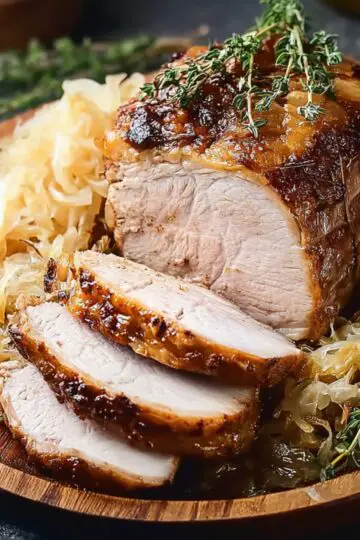

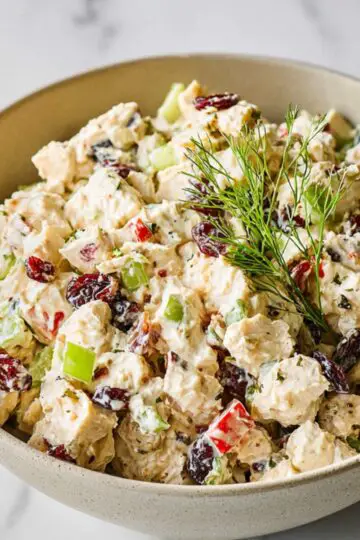
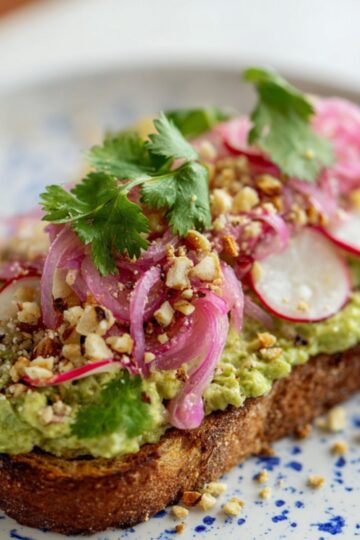
Pairing
These are my favorite dishes to serve with Hungarian Goulash



Hungarian Goulash
Ingredients
Equipment
Method
- Pat beef dry, season, and brown in lard or oil in batches until deeply caramelized for a rich flavor base.

- Sauté onions until golden, add garlic, then remove from heat and bloom both paprikas before adding tomato paste for a deep red paste.
- Stir in crushed tomatoes and beef broth, return browned beef, add spices, and simmer gently for 1.5 hours until meat starts to soften.
- Add carrots, potatoes, and bell peppers, stir, and continue simmering 30-45 minutes until beef is fork-tender and broth slightly thickened.
- Let goulash rest 15 minutes, remove bay leaves, top with sour cream and parsley, and serve with bread for soaking up the paprika broth.



Leave a Reply