
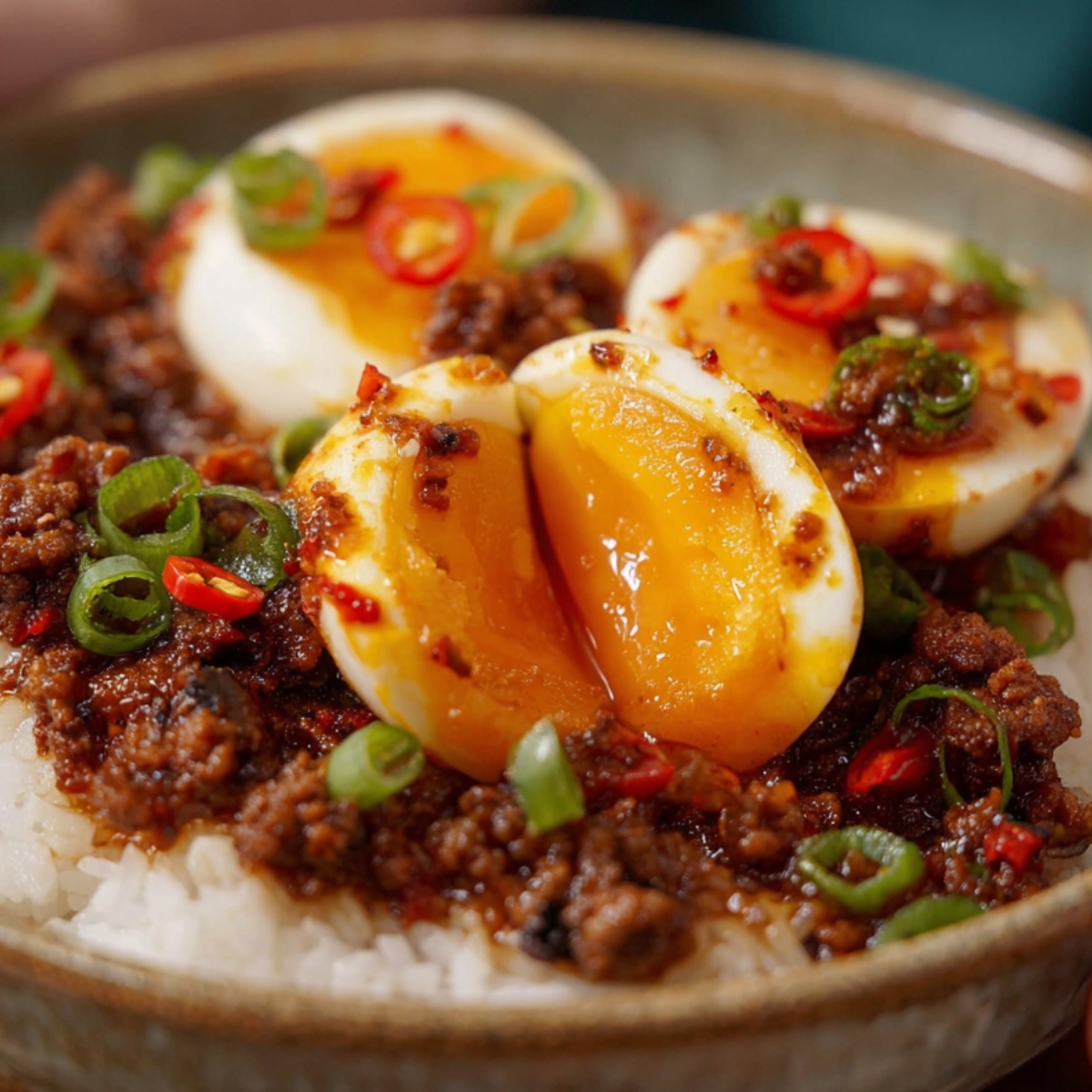
These glossy, deeply savory Spicy Gochujang Eggs simmer in a rich Korean chili sauce with tender ground beef, toasted sesame, and garlic that fills the whole kitchen with warmth. I first tried a version of this at a friend's house after a long day, and the way those soft-boiled Spicy Gochujang Eggs soaked up all that spicy, umami-packed sauce over rice made me feel completely at home. It's surprisingly easy to pull together on a weeknight, and the leftovers might even taste better the next day.
If you love bold, comforting flavors, you'll want to try our Easy Loaded Chicken Torta (5-Step Mexican Sandwich) or Easy Roasted Cabbage Steaks Recipe (Crispy & Healthy) , Esay French Garlic Soup - A Cozy, Creamy Classic You'll Love next-they have that same cozy, satisfying feeling.
Why You'll Love This Recipe
This gochujang egg recipe feels like a warm hug in a bowl. The Spicy Gochujang Eggs turn tender and flavorful as they simmer in that spicy, slightly sweet sauce, and every bite over rice is rich and satisfying. It's perfect for when you want something hearty but don't feel like spending an hour in the kitchen. You can meal-prep it for the week, adjust the spice level to your liking, and it uses ingredients you can find at most grocery stores. Plus, the ground beef adds protein and makes it feel like a complete meal.
Jump to:
Spicy Gochujang Eggs Ingredients
Here's what you'll need to make these rich, savory Spicy Gochujang Eggs with that perfect balance of heat and umami.
See Recipe Card Below This Post For ingredients Quantites
Main Ingredients:
- Green onions : The white parts add a sharp, aromatic base to the sauce, while the green tops bring freshness at the end.
- Garlic : Finely chopped garlic gives the sauce its warm, savory backbone.
- Green chili pepper : Adds a pop of fresh heat and color if you want a little extra kick.
- Mild red chili pepper or red bell pepper: Brings sweetness and a beautiful red color to the dish.
- Water : Used for boiling the Spicy Gochujang Eggs and then building the simmering sauce.
- Large eggs: The star of the dish. Soft-boiled Spicy Gochujang Eggs soak up all that spicy, savory sauce.
- Neutral-tasting oil : Helps brown the beef and keeps everything from sticking.
- Ground beef: Adds richness, protein, and a satisfying texture to the sauce.
- Toasted sesame oil : Drizzled at the end for that nutty, toasted aroma.
- Toasted sesame seeds : A little crunch and extra sesame flavor on top.
- Hot steamed rice: The perfect base to soak up all that delicious sauce.
Seasoning Paste:
- Korean chili paste/gochujang: This thick, fermented paste is the heart of the sauce, bringing deep umami and moderate heat.
- Korean chili pepper flakes/gochugaru : Adds vibrant red color and a warm, fruity spice.
- Soy sauce : Brings saltiness and umami depth.
- Oyster sauce : Adds a rich, slightly sweet savory flavor.
- Chicken bouillon powder : Boosts the savory, umami base of the sauce.
- Sugar : Balances the heat and adds a touch of sweetness.
- Honey : Adds a smooth sweetness and helps the sauce cling to the Spicy Gochujang Eggs.
- Black pepper : A little sharpness to round out the flavors.
how to make Spicy Gochujang Eggs
Prep the ingredients: Thinly slice the green onions, keeping the white and green parts separate. Finely chop the garlic. If you're using chili peppers, slice them thinly now so everything's ready to go.
Make the seasoning paste: In a small bowl, mix together the gochujang, gochugaru, soy sauce, oyster sauce, chicken bouillon powder, sugar, honey, and black pepper until smooth. This paste is where all the flavor lives, so make sure it's well combined.
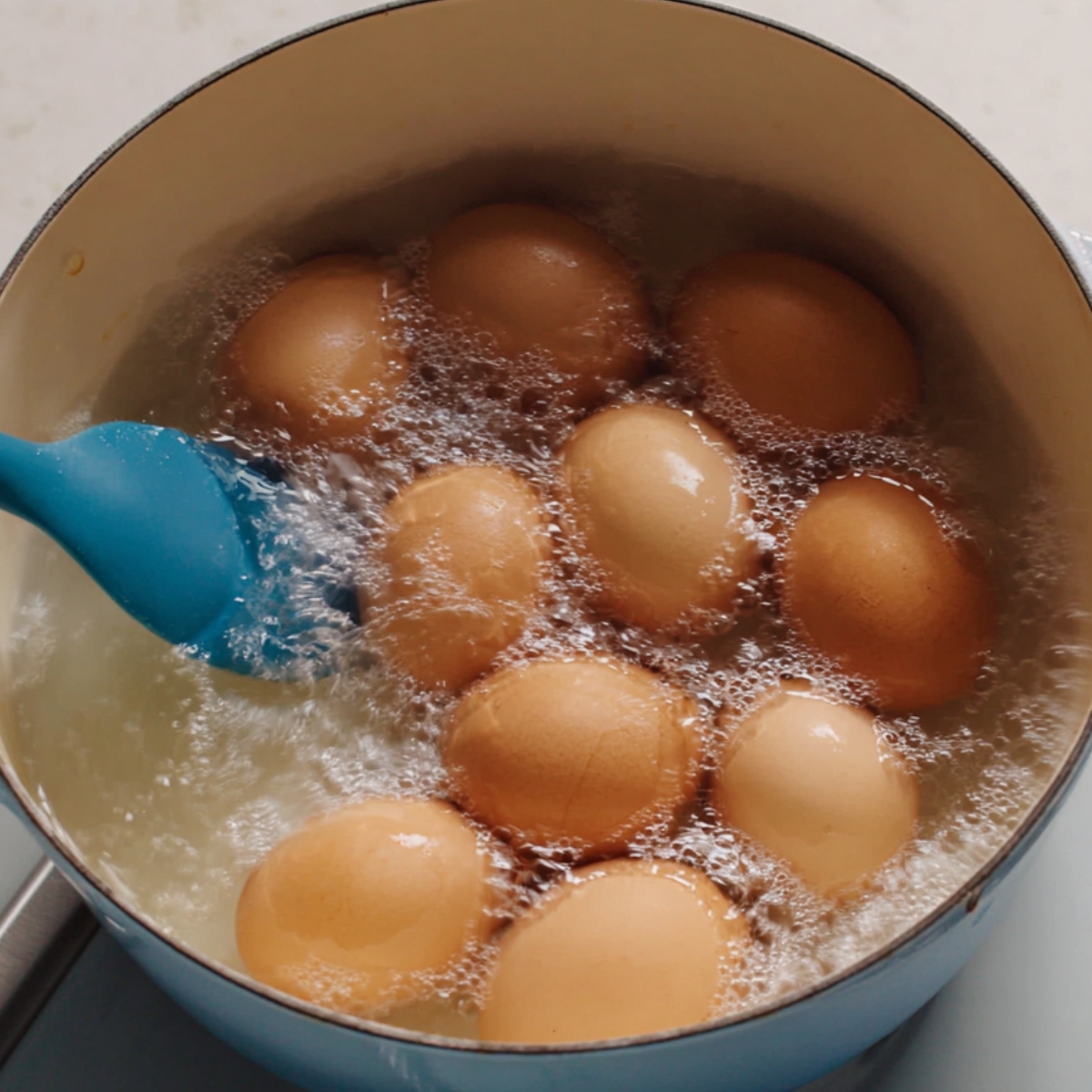
Boil the eggs: Fill a large pot with 8 cups of water and bring it to a rolling boil. Carefully lower in the cold Spicy Gochujang Eggs straight from the fridge. Gently stir them with a ladle for the first minute to help the yolks stay centered. Let them boil for 7 minutes, then immediately transfer them to a bowl of ice water to stop the cooking. Once cool, peel the eggs and set them aside.
Cook the beef: Heat the neutral oil in a large skillet over medium-high heat. Add the ground beef in an even layer and let it sear without stirring for about 1 minute until it gets a nice brown crust. Flip it over, break it up with your spoon, and cook for another 1 to 2 minutes until no pink remains.
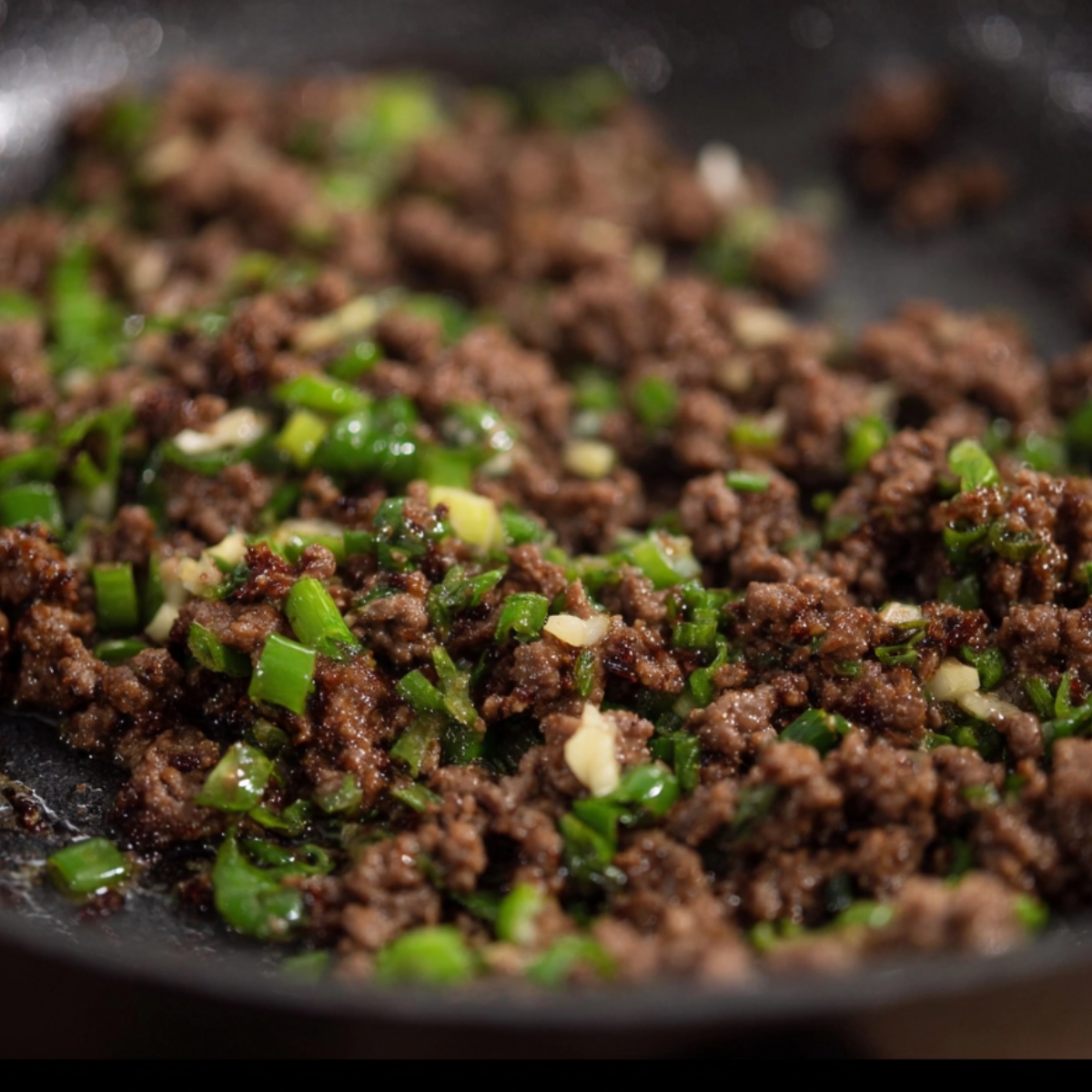
Build the sauce: Toss in the white parts of the green onions and the chopped garlic. Stir-fry for about 1 minute until everything smells fragrant and the garlic softens. Turn the heat down to low, add your seasoning paste, and cook for 2 minutes, stirring constantly so it doesn't burn. If it starts to stick, turn off the heat and let the pan's warmth do the work, or add a small splash of water.
Simmer the eggs: Pour in the remaining 2 cups of water and stir everything together until the sauce is smooth. Bring it to a boil, then reduce the heat to medium-high. Gently add the peeled Spicy Gochujang Eggs and let them simmer in the sauce for 7 minutes, spooning the sauce over them occasionally so they soak up all that flavor.
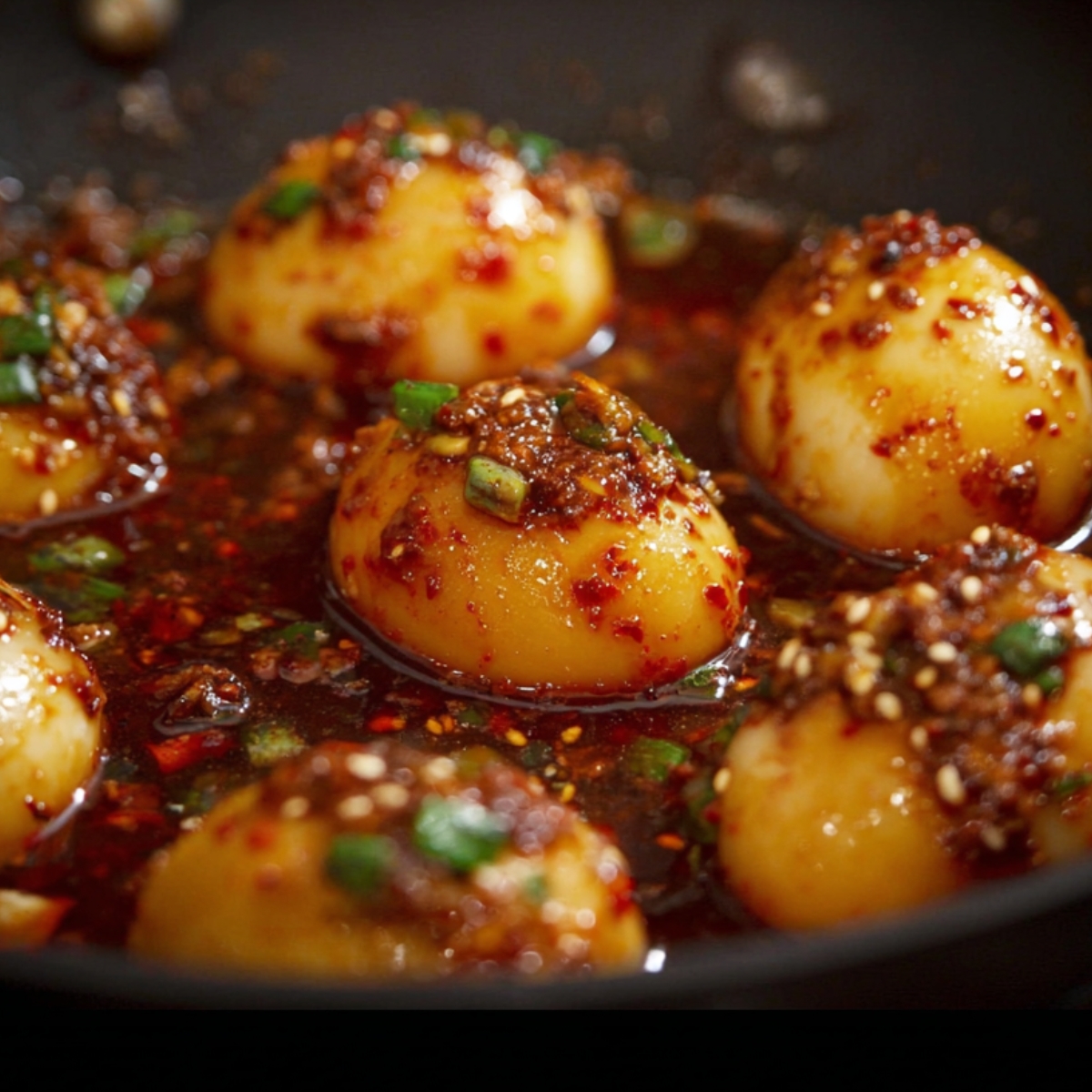
Finish and serve: Turn off the heat. Stir in the green onion tops, sliced chili peppers, sesame oil, and sesame seeds. Give everything a gentle mix. Serve the Spicy Gochujang Eggs over hot steamed rice with plenty of sauce spooned on top. Add an extra drizzle of sesame oil if you're feeling generous.
Substitutions and Variations
Make it vegetarian: Skip the ground beef and add extra mushrooms like shiitake or cremini for that savory, meaty texture.
Adjust the heat: If gochujang is too spicy for you, start with 1 tablespoon instead of 2, or add a spoonful of sugar to mellow it out.
Swap the protein: Use ground pork, ground turkey, or even crumbled tofu instead of beef.
Add vegetables: Throw in some spinach, bok choy, or zucchini during the simmering step for extra nutrition.
Make it saucier: Add an extra cup of water or broth if you want more sauce to spoon over your rice.
Equipment for Spicy Gochujang Eggs
- Large pot: For boiling the Spicy Gochujang Eggs.
- Large skillet or sauté pan: For cooking the beef and building the sauce.
- Mixing bowl or small container: To mix the seasoning paste.
- Ladle or spoon: For stirring the Spicy Gochujang Eggs and sauce.
- Knife and cutting board: For prepping the vegetables.
Storage and Reheating Tips
Store any leftovers in an airtight container in the fridge for up to 3 days. The Spicy Gochujang Eggsactually soak up more flavor as they sit, so they taste even better the next day. To reheat, warm them gently in a pan with a splash of water over medium heat, or just serve them over freshly steamed rice and let the hot rice warm everything up. Don't microwave them on high, or the eggs can get rubbery.
expert tips
Use cold eggs: Starting with fridge-cold Spicy Gochujang Eggs helps you get that perfect soft-boiled texture with a jammy yolk.
Don't skip the ice bath: Shocking the Spicy Gochujang Eggs in ice water stops them from overcooking and makes peeling so much easier.
Taste the sauce: Before adding the Spicy Gochujang Eggs, taste the sauce and adjust the sweetness, saltiness, or spice level to your liking.
Let it simmer gently: Don't let the sauce boil too hard once the Spicy Gochujang Eggs are in, or they can get tough.
Make it ahead: This dish is great for meal prep. The flavors deepen overnight, and it reheats beautifully.
FAQ
How to use gochujang in eggs?
Mix gochujang into a sauce with soy sauce, sesame oil, and a little sweetness, then simmer your Spicy Gochujang Eggs in it. The paste adds deep umami and a moderate heat that clings to the eggs beautifully. You can also stir a spoonful into scrambled eggs for a quick spicy breakfast.
What if gochujang is too spicy?
Add a little extra honey, sugar, or a spoonful of butter to balance the heat. You can also serve it with extra rice or a dollop of sour cream on the side. My sister Emma always keeps a glass of milk nearby when she's testing spicy recipes.
How do you boil eggs in gochujang?
You don't boil them directly in gochujang. First, soft-boil the Spicy Gochujang Eggs in plain water, peel them, then simmer them in a gochujang-based sauce so they soak up all that flavor without overcooking.
Is gochujang safe to eat raw?
Yes, gochujang is a fermented paste and is safe to eat straight from the jar. But cooking it briefly helps develop the flavors and takes away any raw, sharp edges. A quick sauté makes it taste richer and more rounded.
Related
Looking for other recipes like this? Try these:


Pairing
These are my favorite dishes to serve with Spicy Gochujang Eggs




Bold Gochujang-Simmered Eggs
Ingredients
Method
- Slice the green onions, separating whites from greens, mince the garlic, and thinly slice the peppers if using. prep
- Stir all seasoning sauce ingredients together until smooth and cohesive. mix
- Bring 9 cups of water to a rolling boil, gently lower in the cold eggs, and swirl briefly to center the yolks. prep
- Simmer eggs for 7 minutes, then chill in ice water, peel, and set aside. prep
- Heat oil in a wide skillet over medium-high heat, add ground beef, and allow it to brown undisturbed before breaking it apart and cooking through. prep
- Add scallion whites and garlic, stirring until fragrant and softened. prep
- Lower heat, add the seasoning sauce, and gently sauté until glossy and fragrant without scorching. mix
- Pour in remaining water, bring to a boil, add eggs, and simmer so they absorb the sauce. assemble
- Turn off heat, fold in green onions, peppers, sesame oil, and sesame seeds, then gently coat everything. finish
- Serve eggs over hot rice with extra sauce spooned on top. finish



Leave a Reply